The fenix 8 is Garmin's flagship multisport watch, and it arrived in August 2024 as the first fenix you can dive with, talk to, and read in bright sun on a proper AMOLED panel. The 47mm model reviewed here sells for around £620 on Amazon UK, which puts it level with a Forerunner 970 and well above what most people need to spend on a running watch. Whether that's good value depends entirely on how much of the watch you'll use.
What makes it different from the Forerunner line is hardware rather than software. A stainless steel bezel, leakproof metal buttons, a 40 metre dive rating and a built-in speaker and mic sit on top of the same training platform. If none of that matters to you, save the money.
How we review
This review is based on Garmin's published specifications, the Amazon UK listing details, and the recurring themes in verified owner reviews and long-term expert testing. We have not worn this exact unit for a year, so we have stuck to findings that show up consistently rather than one-off complaints or one-off praise.
Who it is for
Trail runners, triathletes, hikers, skiers and anyone who swims or dives will use more of this watch than they expect. So will people who want a single device to survive five years of abuse rather than replacing a plastic watch every two.
Road runners who track their mileage, do the occasional threshold session and want their sleep score in the morning are paying for capability they'll never open. The Forerunner 265 covers that use case for less than half the money, and the Forerunner 965 sits neatly between the two.
Pros
Bright 1.4in AMOLED display with a stainless steel bezel that survives knocks
Up to 16 days smartwatch battery and 47 hours of GPS on a full charge
40m dive rating with scuba and apnea modes, a first for the fenix line
Built-in speaker and mic for calls and voice assistant from the wrist
Off-grid voice commands work with no phone connection at all
Multi-band GPS with SatIQ keeps positioning tight in cities and under tree cover
Built-in LED flashlight that stops feeling like a gimmick after the first dark run
Full colour mapping with dynamic round-trip routing
Cons
Around £620, and that is before any strap or accessory
47mm and metal-built, so it is heavy on smaller wrists
AMOLED always-on display cuts real battery life sharply
Most of the training software is identical to a cheaper Forerunner
Optical wrist heart rate still trails a chest strap during intervals
Dive and expedition features are dead weight for most road runners
Build and screen
The steel bezel and metal buttons are the reason this weighs what it weighs, and the reason it will still look presentable after two years of scraping through doorframes. Garmin redesigned the buttons for the fenix 8 so they seal properly, which is what unlocked the dive rating; a small engineering change with a real consequence.
The 1.4in AMOLED is the same technology that made the Forerunner 965 such an easy sell. Text is sharp, maps are readable at a glance mid-run, and in direct summer sun it stays legible where older memory-in-pixel screens needed a torch angle. Set always-on and it looks like a proper watch. Set it to gesture-wake and you'll get noticeably more days per charge.
Garmin's training platform is the reason people stay in this ecosystem for a decade. Training readiness pulls together sleep quality, recovery time, training load and HRV status into a single number each morning, and after a few weeks it becomes uncomfortably accurate about whether you should push. Real-time stamina during a run tells you how much you have left rather than how much you've done, which changes how you pace long efforts.
Strength training gets proper attention too, with guided plans and rep counting that works well enough on machines and barbell lifts, less well on anything with an unusual bar path. The NHS recommends strengthening work covering all the major muscle groups on at least two days a week, and having those sessions logged next to your runs makes the balance visible.
The honest caveat is heart rate. Optical sensors have improved a lot, and this one holds steady efforts well, but a 2019 study in Cardiovascular Diagnosis and Therapy comparing wearables against ECG found chest straps sitting at a concordance of 0.99 while wrist-worn devices ranged from 0.52 to 0.80. Devices have moved on since, but the physics haven't: wrist movement and cold skin still upset optical readings. If your intervals depend on zones, pair a strap. Our heart rate monitor guide covers the options.
Battery in practice
Sixteen days and 47 hours are the headline numbers, and both assume settings most people won't run. With the always-on display active, smartphone notifications arriving all day, Pulse Ox tracking overnight and an hour of multi-band GPS daily, a week is a realistic expectation. Turn the always-on display off and you'll comfortably clear ten days.
That's still four or five times what a smartwatch from Apple or Samsung manages, and it means you can do a weekend in the hills without carrying a charger. Anyone chasing genuine expedition battery life should look at the solar MIP version instead, which trades the beautiful screen for weeks of running time.
Speaker, mic and the flashlight
Taking a call from your wrist is a party trick until the one time you're driving with muddy hands. More useful is the off-grid voice command feature, which lets you control the watch with no phone nearby, and the voice notes function for recording a thought mid-run.
The LED flashlight sounds like marketing until winter, when you use it every single week: finding a headtorch in a dark car boot, checking a gate latch, or setting the red strobe mode on a lane with no pavement. Garmin was right to keep it.
Value
At around £620 the fenix 8 costs about the same as a Forerunner 970 and roughly double a Forerunner 265. What the extra money buys over the Forerunner line is durability, dive capability, audio and the metal build. What it does not buy is better running data, because the software underneath is largely shared.
That makes the decision refreshingly clear. Multisport athletes, hikers and divers get their money's worth. Runners who want the best running watch should look at a Forerunner and spend the difference on shoes or a decent turbo trainer. If you're kitting out a home setup around the watch, our treadmill guides and the Venu 3 review cover the lifestyle end of the range. There's a third route most buyers miss. The Garmin epix Pro (Gen 2) runs the same AMOLED mapping platform for around £350, giving up the dive rating, the speaker and the newest sensor generation to get there.
Frequently asked questions
Is the Garmin fenix 8 worth the money?
If you train across several sports, spend real time outdoors and want one watch that handles all of it for the next five years, yes. At around £620 it costs roughly the same as a Forerunner 970 while adding a metal build, a 40 metre dive rating and a speaker. If you only run and cycle, the Forerunner does the training side just as well for less bulk on your wrist.
How long does the fenix 8 battery last?
Garmin quotes up to 16 days in smartwatch mode and up to 47 hours with GPS running on the 47mm AMOLED model. Real world use lands lower: with the screen set to always-on, notifications flowing and an hour of GPS a day, expect around a week between charges. Turning the always-on display off roughly doubles it.
What is the difference between the fenix 8 and the Forerunner 970?
They share most of the training software, the AMOLED screen and the LED flashlight. The fenix 8 adds a stainless steel or titanium build, a 40 metre dive rating with scuba and apnea modes, leakproof metal buttons and a built-in speaker and mic. The Forerunner 970 is lighter and slightly cheaper. For pure running and triathlon, the Forerunner gives up almost nothing.
Is the fenix 8 good for swimming and diving?
Better than any previous fenix. The 40 metre dive rating and leakproof metal buttons mean it supports single-gas scuba and apnea freediving alongside the usual pool and open water swim tracking. That is a genuine hardware upgrade over the fenix 7, which was rated for swimming but not diving.
Does the fenix 8 have accurate heart rate?
For steady efforts, it is among the better wrist sensors Garmin has made. For intervals, hard hill work or anything with a lot of wrist movement, an optical sensor still lags a chest strap. Research comparing wearables against ECG has repeatedly found chest straps closer to the reference, so pair a strap if your training depends on precise heart rate zones.
Which fenix 8 size should I buy?
The 47mm AMOLED is the sensible middle. The 43mm suits smaller wrists but gives up battery life, and the 51mm is genuinely large on most people. There is also a solar MIP version if maximum battery life matters more than screen quality to you.
How the assisted dip machine works (more weight means more help), how to set it up, form cues, common mistakes, and a simple plan to reduce the assistance until you can do unassisted dips.
The best back extension alternative is a floor prone extension for the lower back, or a Romanian deadlift if you want load. 9 swaps, sorted by erector or glute focus.
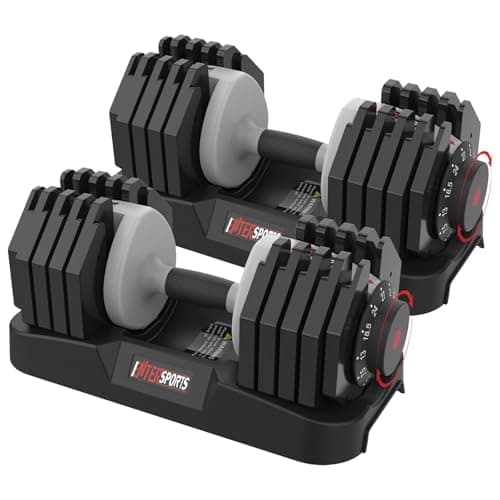
EnterSports 27kg adjustable dumbbells review: 10 settings from 2 to 27kg, uneven 2.5 to 3kg jumps, dial lock, wobble and who should pick it over the 20kg pair.
What a glute ham developer is, how a GHD machine differs from a Roman chair, the exercises it's built for, how to set it up, UK price bands and cheaper substitutes.
Best Exercise is a participant in the Amazon EU Associates Programme, an affiliate advertising programme designed to provide a means for sites to earn advertising fees by advertising and linking to Amazon.co.uk. As an Amazon Associate we earn from qualifying purchases. This comes at no extra cost to you and never influences our independent reviews or rankings.