Workouts
Bayesian Curl: How to Do the Bayesian Cable Curl Properly
How to do the Bayesian curl: setup, form cues, what the research says about the stretched position, common mistakes, home band version and a simple plan.

By Paul Kendrick, Cardio & Endurance Editor · Updated 20 August 2026
We may earn a commission from qualifying purchases made through links on this page, at no extra cost to you. This never affects our ratings.
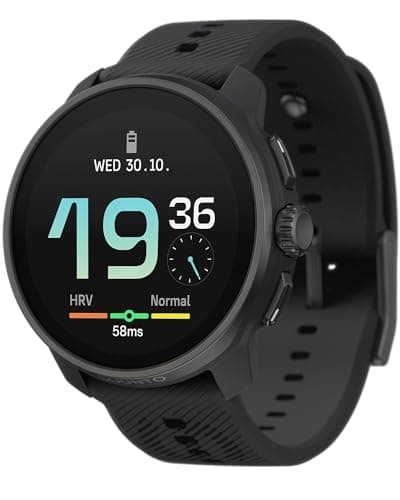
Suunto spent years making watches that navigators loved and everyone else ignored. The Race S is the model that breaks out of that corner. It's a 45mm AMOLED multisport watch with dual-band satellite tracking and free global offline maps, and on Amazon UK it sits around £259, which is roughly what you'd pay for a mid-range Garmin that gives you no maps at all.
That price is the story, but it isn't the whole story. The Race S gets the hardware right and then hands you an app that fights back. Learning where things live in the Suunto ecosystem takes a fortnight, and a few features that should be simple, map downloads being the worst offender, are genuinely awkward the first time round.
How we review
This review draws on Suunto's published specifications, the Race S user guide, verified owner reviews and independent long-term testing from running and outdoor outlets. We have not run our own multi-month test of this exact unit, so we report findings that recur consistently across sources, criticisms included.
Runners, cyclists and hikers who want proper navigation without paying Garmin's mapping tax. If you plan routes, ride or run somewhere unfamiliar, or spend weekends on hills where a phone signal disappears, the Race S covers you for less money than anything comparable.
It's a poor fit if you want a smartwatch. Notifications arrive and that's about the extent of it: no calls, no payments, no app store, no meaningful phone control. Buy it for the training and the maps, not for your wrist to replace your phone.
Check the Suunto Race S price on AmazonAt 45mm across and 11.4mm thick, the Race S is the size a sports watch should be. Suunto's full-size Race is 49mm, which looks daft on a slim wrist and rides badly under a jacket cuff; shaving four millimetres off makes it something you'll actually wear to bed for sleep tracking. The steel version weighs 60g with the strap fitted, and the titanium bezel takes that down to roughly 53g.
The 1.32 inch AMOLED runs at 466 by 466, and brightness is the part that matters. Reviewers testing it in open sun report no squinting and no fumbling for a shade, which is the practical test any running watch has to pass. Gorilla Glass covers it, and the 50 metre rating means pool lengths and open water are both fair game.
| Display | 1.32 in AMOLED touchscreen, 466 x 466 |
|---|---|
| Case | 45 x 45 mm, 11.4 mm thick |
| Weight | Approx 60 g steel, approx 53 g titanium |
| Water resistance | 50 m / 5 ATM |
| Battery, GPS performance mode | Up to 30 hours |
| Battery, tour mode | Up to 120 hours |
| Battery, daily use | Up to 9 days with heart rate on |
| Satellites | Dual-band GNSS (L1 + L5) |
| Maps | Free global offline maps, downloaded by region |
| Sport modes | 115+ |
| Strap | 22 mm, quick release |
This is where the Race S earns its reputation. The dual-band receiver locks onto both the L1 and L5 satellite bands, which is what separates a watch that draws a clean line down a street from one that has you swimming across a canal. Testers running under tree cover and between buildings describe the traces as very accurate, which is the same verdict Suunto's larger Race has attracted since launch.
Wrist heart rate is the usual story with a decent twist. On steady efforts it tracks well, and the pool swim performance genuinely surprises people, but hard interval work exposes the limits of any optical sensor pressed against a moving wrist. Research comparing wrist devices with a chest ECG puts the errors at roughly 6 to 7 percent on average, with the gap widening at low intensities and unstable wrist positions (wearable heart rate validation study, JMIR Cardio 2025). If you train to heart rate zones, pair a chest strap and let the watch handle everything else.
Free offline mapping on a £259 watch should be the headline. Suunto gives you global coverage with no subscription, no unlock and no regional purchase, and once the maps are on the watch, following a route is straightforward: a proper map, a breadcrumb, turn prompts.
Getting them there is another matter. Downloads happen through the Suunto app over Wi-Fi, and you choose whole countries rather than the bit of Snowdonia you're actually visiting. More than one reviewer needed several attempts before a download stuck, and none of them found the menu path obvious. That's a software problem Suunto could fix tomorrow and hasn't.
The broader app follows the same pattern. Data is all there, the analysis is decent, and the training terminology arrives unexplained: CTL and ATL appear on screen with no tooltip telling a new runner what they mean. The training status readout is the weakest link, with testers logging heavy weekly mileage and still being told they were losing fitness. Treat it as a rough guide, not a coach.
Suunto claims 30 hours of continuous GPS in performance mode, 120 hours in the lower-accuracy tour mode, and around 9 days of ordinary wear with heart rate on. Independent testing backs this up, including one reviewer who went four days on the first charge and then managed 11 straight days with several workouts logged in between.
That's a marathon, an ultra, or a long weekend in the hills without carrying a cable. The one thing that eats it is the always-on display, so leave that off unless you specifically want it.
Against a COROS PACE Pro the Race S is a closer fight than the price suggests, with COROS holding a battery advantage and Suunto answering with a better bezel and swim tracking. Against Garmin, the calculation is simpler. A Forerunner 265 costs more and gives you no maps; the mapping Forerunners cost a great deal more. Our best Garmin watch guide covers that ladder if you'd rather stay in Garmin's ecosystem, and a proper heart rate monitor is the cheapest upgrade you can bolt onto any of them.
See today's Suunto Race S priceWhatever you strap on, the watch only matters if it gets you moving: the UK guideline is 150 minutes of moderate activity a week, and a device that logs the streak is a decent nudge toward hitting it (NHS physical activity guidelines for adults).
They trade blows. The Race S wins on price and gives you free global offline maps, which Garmin reserves for pricier models. Garmin wins on ecosystem: better third-party app support, slicker phone integration, and a training platform most coaches already know. If maps and value matter more to you than polish, the Suunto is the smarter buy.
Suunto quotes 30 hours of continuous GPS in performance mode and up to 120 hours in tour mode, with roughly 9 days of daily wear with heart rate tracking on. Independent testers with the always-on display disabled have run it 11 days between charges while still logging several workouts, so the claims are realistic rather than optimistic.
Yes, and they cost nothing extra. You download map regions over Wi-Fi through the Suunto app, then navigate without your phone. The catch is that downloads are chunky, since you pick whole countries rather than small areas, and the process is not obvious the first time you try it.
It is rated to 50 metres, so pool and open water swimming are both fine. Testers have singled out its pool swim heart rate tracking as noticeably better than several rivals at the price, which is unusual because wrist heart rate normally falls apart in water.
Size, mostly. The Race S has a 45mm case and a 1.32 inch screen against the Race's 49mm case and 1.43 inch screen, and it carries a smaller battery to match. Software, sensors and dual-band GNSS are the same, so the S is the one to buy unless you have big wrists or want the longest possible runtime.
It does. Activities sync from the Suunto app to Strava automatically once you link the accounts, along with TrainingPeaks and a handful of other platforms. There is no on-watch app store, so anything beyond the built-in sport modes has to happen on your phone afterwards.
How to do the Bayesian curl: setup, form cues, what the research says about the stretched position, common mistakes, home band version and a simple plan.
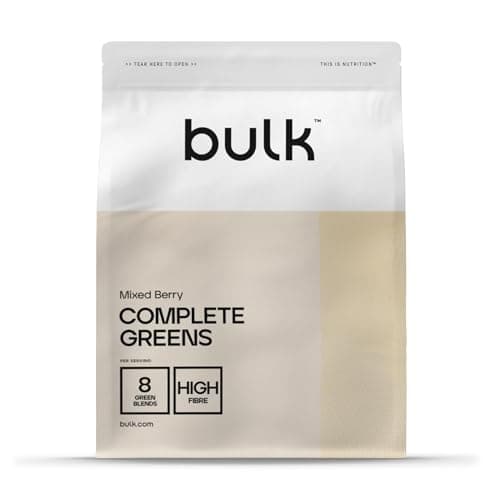
The best greens powders in the UK for 2026, from budget super greens to premium all-in-one vegetable powders, plus an honest look at whether they actually work.
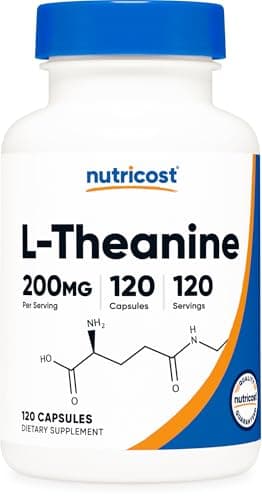
The best L-theanine supplement for UK buyers in 2026: five capsules ranked on dose and cost per day, what the research shows about sleep and caffeine, and the dose worth taking.
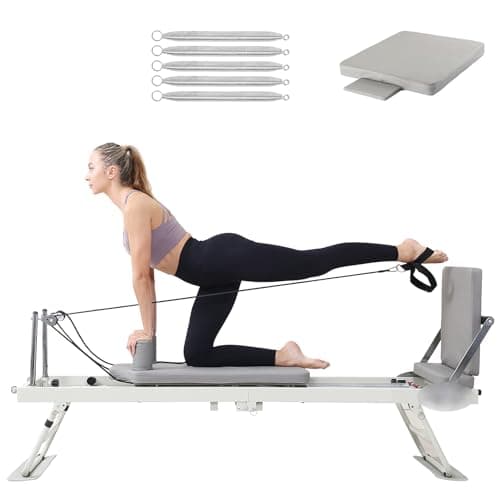
The best reformer pilates machines for home use in the UK in 2026, from a £259 foldable to a £788 wooden frame. Honest picks, real specs and how to choose a pilates machine.
Best Exercise is a participant in the Amazon EU Associates Programme, an affiliate advertising programme designed to provide a means for sites to earn advertising fees by advertising and linking to Amazon.co.uk. As an Amazon Associate we earn from qualifying purchases. This comes at no extra cost to you and never influences our independent reviews or rankings.