Recovery
Is Oura Ring Worth It? The Real Cost, Accuracy and Who Should Skip It
Is the Oura Ring worth it in the UK? The true cost with the £69.99 membership, what sleep research says about its accuracy, and who should buy a rival instead.

By Mike Shilling, Recovery & Training Editor · Updated 29 November 2026
WHOOP is worth it if you train hard five or more days a week and will actually change what you do based on a morning recovery score. For almost everyone else it isn't, because around £229 a year rents you a screenless band that stops working the day you cancel, while a £85 to £179 tracker you buy once covers most of the same sleep and HRV data. That's the short version. The longer one depends on how you train, how long you'd keep a device, and whether a subscription bothers you.
WHOOP is worth it if you're a runner, cyclist, CrossFitter or team-sport athlete training most days, you want a single number telling you whether to push or back off, and you'll wear it in bed every night. It also suits heavy lifters who find a ring uncomfortable under a barbell and a watch annoying on the wrist during pressing.
Skip it if you exercise two or three times a week, you want GPS for runs, you like glancing at the time or your heart rate mid-workout, or you mostly care about sleep. Skip it, too, if you're the kind of person who keeps the same gadget for four or five years, because that's exactly where WHOOP's maths falls apart.
WHOOP sells three membership tiers with the hardware bundled in. One covers strain, recovery and sleep. Peak adds Healthspan (WHOOP Age and Pace of Aging), Health Monitor and Stress Monitor, and Life ships the WHOOP MG band with an ECG and blood pressure insights. Peak is the tier most people buy and the one we can price reliably: around £229 for 12 months on Amazon UK, which we've also seen listed at £189. Our WHOOP MG vs WHOOP 5.0 comparison explains whether Life's ECG is worth the jump.
Here's how Peak compares with the trackers people most often weigh it against, using the prices we quote across our other reviews:
| Device | 12 months | 24 months | Still works if you stop paying? |
|---|---|---|---|
| WHOOP Peak (WHOOP 5.0) | ~£229 | ~£458 | No |
| Fitbit Air | £84.99 | £84.99 | Yes (Premium coach optional) |
| Polar Loop | £109 | £109 | Yes |
| Garmin Forerunner 70 | ~£174 | ~£174 | Yes |
| Garmin Cirqa | £179 | £179 | Yes |
| Oura Ring 5 | £399 + £69.99 | ~£539 | Limited functionality |
Even at the lower £189 Amazon price, two years of Peak is £378, which is more than a Cirqa and a Polar Loop combined. WHOOP's counter-argument is that hardware upgrades come with the membership. That's true, and it's a fair point if you'd otherwise replace your tracker every couple of years. Most people don't.
Check today's WHOOP Peak price on Amazonaround £189 to £229 for 12 monthsWHOOP's band reads your pulse optically from the wrist, around the clock, and turns it into four things you'll look at:
The idea underneath is sound. A meta-analysis found that endurance training guided by HRV produced better VO2max gains than fixed, pre-planned programmes (HRV-guided training meta-analysis). WHOOP doesn't make you fitter by itself; it makes it easier to go hard on the days your body can take it. Garmin's Training Readiness and Body Battery are built on the same logic, which matters when you compare value.
What WHOOP doesn't do well is strength training. Strain is heart-rate based, so a heavy set of five squats with long rests barely registers next to a 10k run. Lifters often feel under-credited.
Better than the Reddit sceptics claim, and worse than the marketing implies. Four studies are worth knowing about.
A 2020 lab study ran 12 adults through 86 nights of polysomnography wearing WHOOP. Total sleep time came within about 8 minutes of the lab figure, and four-stage sleep agreement was 64% (Miller et al., Journal of Sports Sciences). Good for "how long did I sleep", rougher for "how much deep sleep did I get".
A 2022 study put 53 adults in a sleep lab wearing six devices at once, including the WHOOP 3.0, an Apple Watch S6, a Garmin Forerunner 245 and an Oura Gen 2. WHOOP's stage agreement was 60%, level with Oura (61%) and ahead of Apple (53%) and Garmin (50%). The authors concluded all six were valid for sleep timing and duration but needed work on stages (Miller, Sargent and Roach, Sensors).
For heart rate and HRV, a validation against ECG found WHOOP's heart rate bias was under 0.4%, which is excellent, but HRV error approached or exceeded the smallest change you'd want to act on (Bellenger et al., Sensors). One thing to know: the research group behind the first three studies receives funding from WHOOP, which each paper declares.
The independent one is the most useful. A 2025 study tracked 13 adults over 536 nights against an ECG and rated WHOOP 4.0's HRV as moderately accurate (about 8% average error), behind Oura's Gen 3 and Gen 4 rings but ahead of a Garmin Fenix 6 and a Polar Grit X Pro (Dial et al., Physiological Reports).
What the evidence means for you
WHOOP's sleep duration and resting heart rate are trustworthy. Its sleep stages and HRV are good enough for trends over a week or two, not for reading meaning into one morning's number. That's true of every wrist wearable we've seen tested; in the studies above, only Oura's rings did clearly better on HRV.
The screenless design is the best and worst thing about WHOOP. It's light, comfortable to sleep in, lasts around 14 days per charge, and doesn't buzz you with emails. People who've found a smartwatch distracting genuinely like that.
The cost is that you can't see anything without your phone. No time, no live heart rate during intervals, no pace, no GPS of its own. If you run outdoors, you'll end up carrying a phone or wearing a watch as well, and at that point you're paying for two devices to do one job. For runners in particular, our Garmin vs WHOOP comparison comes out firmly on Garmin's side.
This is the bit that should decide it. With Garmin, Fitbit or Polar, you buy hardware and the recovery data lives in a free app. With WHOOP, the band is part of the membership. Cancel and you've got a fabric strap with a pod that no longer tells you anything.
Oura sits in between: you own the ring, but without the £69.99 annual membership it offers only limited functionality. So "subscription versus no subscription" really means WHOOP and Oura on one side, and Garmin, Fitbit, Polar, Samsung and Ultrahuman on the other. If the monthly bill is your problem, our WHOOP alternatives guide lists the screenless bands you buy once.
Runners and cyclists: a Garmin. A Forerunner 70 at about £174 gives you GPS, a screen, HRV Status, Body Battery and Training Readiness for less than one year of WHOOP. See our best Garmin watch guide if you want more.
People who want WHOOP's feel without the fee: the Garmin Cirqa. It's screenless, £179 once, and uses the same free Connect app. Our Garmin Cirqa vs WHOOP piece goes through the trade-offs.
Sleep-first buyers: Oura. It's more comfortable in bed and has the strongest HRV evidence, and over two years an Oura Ring 4 bought at a discount works out cheaper than WHOOP Peak. The full head to head is in WHOOP vs Oura.
Curious beginners: the Fitbit Air. At £84.99 it covers heart rate, HRV, SpO2 and sleep with no fee for the tracking itself. If you're not sure you'll keep wearing a tracker after the first month, start here. Our Fitbit Air vs WHOOP breakdown explains what you give up.
For a narrow group, yes, and they'll love it. If you train most days, sleep with it on, and treat the recovery score as an instruction rather than trivia, the coaching loop is the best screenless option there is and £19 a month is a reasonable price for it. Our WHOOP Peak review covers that day-to-day experience in more depth.
For everyone else it's an expensive way to get data a cheaper device already provides. If you can't picture yourself skipping a planned session because WHOOP showed you a red score, don't buy it. Buy a Garmin or a Fitbit, own it outright, and keep the £229 a year.
Usually not. If you exercise a few times a week and mainly want step counts, sleep tracking and a rough idea of your fitness, a Fitbit Air at £84.99 or a Garmin Cirqa at £179 gives you sleep, heart rate and HRV data for a one-off price. WHOOP earns its fee when you train most days and will change your sessions based on the recovery score.
The Peak membership, which most people buy, is around £229 for 12 months, roughly £19 a month, and Amazon UK has listed it as low as £189. The WHOOP 5.0 band, strap and charger come bundled with the membership, so there's no separate hardware price.
No. The band has no screen and the hardware is bundled with the membership, so once the membership lapses there's nothing to read. That's the main difference from Garmin, Fitbit and Polar, whose recovery data works in free apps.
Heart rate is very accurate overnight, and sleep duration is close to a lab measurement. Sleep stages and HRV are less precise: in independent studies WHOOP scored sleep stages at around 60% to 64% agreement with polysomnography and showed moderate agreement with ECG for HRV. That's in line with most wrist wearables and behind Oura's rings for HRV.
For recovery and sleep coaching, WHOOP's daily score is more coherent and easier to act on. For almost everything else (GPS, a screen, workout data on your wrist, and cost over two years), a Garmin wins. A Forerunner 70 at about £174 is cheaper than one year of WHOOP Peak and keeps working for as long as the battery does.
Pick Oura if sleep and general health matter more than training load, since it's more comfortable in bed and its membership is cheaper at £69.99 a year. Pick WHOOP if you train hard most days or lift heavy, because a ring and a loaded barbell don't mix and WHOOP's Strain and Recovery loop is built for athletes.
Is the Oura Ring worth it in the UK? The true cost with the £69.99 membership, what sleep research says about its accuracy, and who should buy a rival instead.
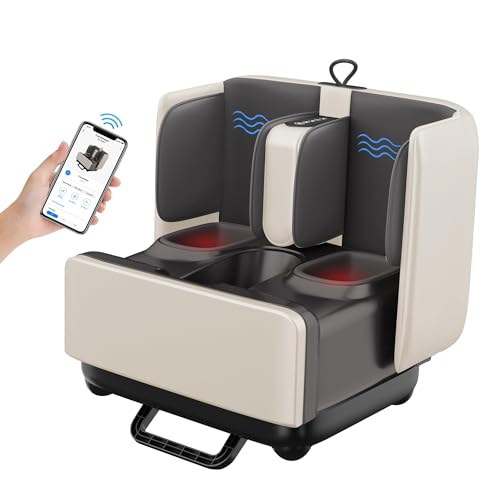
COMFIER 2-in-1 foot massager review: shiatsu, rolling, heat and calf compression in a fold-down ottoman. Who it suits at £620, and the cheaper alternatives.
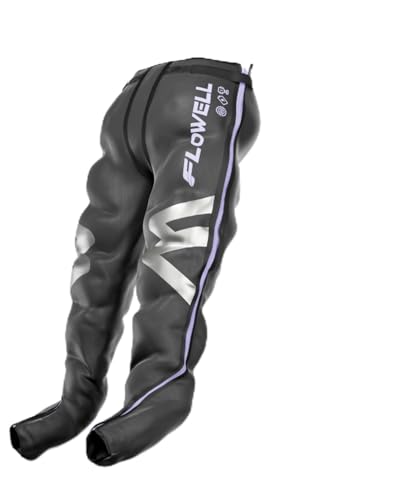
Our Flowell compression review covers the Sport Deluxe pants: 8 chambers, 30 to 240 mmHg, what its FDA clearance really means, the research and the UK price.
Can you use a massage gun on plantar fasciitis? It can ease tight calves and arches, but it won't cure heel pain. Where to aim it, which head, settings and when to see a GP.
Best Exercise is a participant in the Amazon EU Associates Programme, an affiliate advertising programme designed to provide a means for sites to earn advertising fees by advertising and linking to Amazon.co.uk. As an Amazon Associate we earn from qualifying purchases. This comes at no extra cost to you and never influences our independent reviews or rankings.