Recovery
Massage Gun Attachments Explained: Which Head to Use and Where
Massage gun attachments explained: what the ball, flat, bullet, fork, cushion, thumb, wedge and heated heads do, where to use each, and where never to.

By Mike Shilling, Recovery & Training Editor · Updated 24 November 2026
A massage gun can help plantar fasciitis a little, mostly by loosening the tight calves and arch that tend to come with it, and that can make your first steps in the morning less miserable. It won't cure it. There's no clinical trial of massage guns on plantar fasciitis, and the NHS's first-line advice is still rest, cushioned and supportive shoes, insoles and regular stretching. Use the gun as a warm-up for those things, aim it mostly at your calves, and go gently on the sole of the foot.
Not medical advice
This is general information for adults with ordinary heel pain, based on NHS guidance and published research rather than an assessment of your foot. If you have diabetes, numbness in the foot or pain that's getting worse, see a GP or physio before using a massage gun on it.
The plantar fascia is a thick band of tissue running along the sole from your heel to the base of your toes. When it's irritated you get pain under the heel and into the arch. The NHS plantar fasciitis page describes the classic pattern: it's worst when you start walking after sleep or rest, eases as you get moving, then comes back after long spells of standing, walking or running. Lifting your toes or climbing stairs can set it off too.
Tight calves matter here. The calf muscles join the Achilles tendon, which attaches to the back of the heel, and the plantar fascia pulls on the same bone from underneath. When the calves are stiff, more strain goes through the sole with every step. That's why most plantar fasciitis rehab spends as much time on the lower leg as on the foot itself.
Not much that's specific. We searched PubMed for trials of percussive massage or massage guns in people with plantar fasciitis or plantar heel pain and found none.
The broader research is about healthy muscle. A 2023 systematic review of massage guns pooled 11 studies and found short-term gains in range of motion and flexibility, including in the calves, plus some short-term benefit for stiffness after exercise. The authors also stressed that the evidence is limited, mostly short-term and drawn from young, healthy people. Strength and power results were flat or worse.
So the honest reading goes like this. A massage gun can probably loosen a tight calf for a while, which might make stretching easier and the foot feel freer. Whether that changes how fast plantar fasciitis heals hasn't been tested.
Stretching, by contrast, has been. A 2020 meta-analysis of calf and plantar fascia stretching found that stretching produced a large reduction in pain, comparable to other treatments, with moderate quality evidence that plantar fascia-specific stretches beat calf stretches alone. An older trial with two-year follow-up of plantar fascia stretching reported that 92% of patients were satisfied or satisfied with minor reservations. That's where most of your effort should go.
Spend most of the session on your calves. Sit on the floor or a chair with your leg out straight and the foot relaxed.
Use a standard or large ball head on a low to medium speed. Start just below the back of the knee (not behind it) and glide slowly down the muscle belly towards the top of the Achilles, then back up. Cover the inner and outer edges as well as the middle. Let the gun's weight do most of the work.
The soleus sits under the main calf muscle and is often the tighter of the two in people with heel pain. Bend your knee so the foot is flat on the floor, then work the lower half of the calf, the part closer to the ankle, on either side of the Achilles. Stay on muscle; don't run the head down the tendon itself.
Switch to a flat head or a soft cushioned head and drop to the lowest speed. Rest your foot across the opposite knee, or sit with the sole facing up. Move slowly from the ball of the foot down through the middle of the arch, stopping short of the heel. It should feel like firm pressure, not pain.
The tender spot at the front-inner edge of the heel is where the fascia attaches to the bone, and it's usually the most irritated part. Percussion straight onto it while it's acutely painful tends to make it angrier. Once the sharp pain has settled, a few seconds of light passes nearby is fine if it feels comfortable.
The loosening from a massage gun is short-lived, so use it. Our plantar fasciitis exercises guide covers the plantar fascia stretch and the rest of the programme, and the calf stretches guide has separate stretches for the gastrocnemius and soleus.
A good routine is five minutes with the gun, five minutes of stretching, once or twice a day. First thing in the morning, before your feet hit the floor, is the most useful slot because that's when the pain is usually worst.
You don't need anything special. Most guns come with the heads that suit this job:
Our massage gun attachments guide goes through every common head and which muscles each one suits.
Going too hard on the sole. The foot has far less muscle than the calf, so a speed that feels pleasant on your leg can feel like a hammer on your arch. Start at the bottom setting and stay there.
Chasing the sore spot. It's tempting to work exactly where it hurts. With plantar fasciitis that's the heel insertion, and it's the one place to leave alone while it's flared.
Using the gun instead of stretching. Five minutes of percussion with no stretching afterwards gives you a brief nice feeling and not much else. The stretching is what the research supports.
Ignoring your shoes. The NHS recommends shoes with cushioned heels and good arch support, plus insoles or heel pads, and advises against flip-flops, backless slippers, high heels and walking barefoot on hard floors. No amount of massage makes up for padding round the house barefoot on tiles.
Overdoing it. Longer sessions don't mean faster recovery. If your foot is sorer the next morning, cut the time and the speed.
The NHS self-care list for plantar fasciitis is short and cheap. Rest and raise your foot when you can, use an ice pack wrapped in a towel for up to 20 minutes every two to three hours, wear supportive shoes, do regular gentle stretches for the sole and heel, and swap high-impact exercise for low-impact options like swimming while it settles. Paracetamol or ibuprofen may help, and losing weight helps if you're carrying extra.
A frozen water bottle rolled under the arch combines the ice and a gentle massage in one, and costs nothing.
The NHS says to see a GP if:
A GP may refer you to a physiotherapist for a structured exercise plan, and in many areas you can refer yourself to NHS musculoskeletal services. A podiatrist can advise on insoles, shoes and night splints. If those don't work, steroid injections or shock-wave therapy are options. A massage gun doesn't feature anywhere on that list.
Something with a genuinely low bottom speed, a flat or cushioned head in the box and a light body matters more here than raw power. Heavy, deep-hitting guns are built for quads and glutes, not the sole of your foot. Our best massage gun UK roundup covers options at every price.
If you want one we've covered in depth, the Bob and Brad D6 Pro Max+ is the one we'd point a heel-pain sufferer towards. Its heat and cold head warms to roughly 46C, which makes stiff calves far more tolerant of percussion first thing in the morning, and the air cushion head among its eight attachments suits the bony, sensitive arch. It's heavy, though, and the 85lb stall force is far more than your foot needs, so keep it on the lowest speeds below the ankle.
Check the Bob and Brad D6 Pro Max+ price on AmazonYes, as long as you use it gently and in the right places. Most of the useful work happens on the calf muscles, which pull on the heel through the Achilles tendon. You can also work the arch on a low speed with a soft or flat head. Keep away from the sore spot at the front of the heel while it's acutely painful.
Not while it's sharply painful. The tender point where the plantar fascia attaches to the heel bone is the inflamed or irritated part, and hammering it can leave it sorer. Work the calf and the middle of the arch instead. Once the pain has settled, very light passes near the heel are fine if they feel comfortable.
A flat head or a soft cushioned head for the arch, and a standard or large ball for the calves. Avoid the bullet head on the sole of the foot; it concentrates all the force on a tiny point and there's very little padding between the skin and the bone and fascia underneath.
About 30 to 60 seconds on each arch and one to two minutes on each calf is enough. The whole session should take around five minutes. Once or twice a day is fine, and first thing in the morning before you put weight on the foot is a good time.
No. There's no trial showing a massage gun treats plantar fasciitis. It may loosen tight calves and make the foot feel easier for a while, which can make stretching more comfortable. Rest, supportive shoes, insoles and regular stretching are the NHS's first-line advice, and most people need those regardless.
The NHS advises seeing a GP if the pain is severe or stopping normal activities, is getting worse or keeps coming back, hasn't improved after two weeks of treating it yourself, or comes with tingling or loss of feeling in the foot. If you have diabetes and foot pain, get it checked rather than self-treating.
Massage gun attachments explained: what the ball, flat, bullet, fork, cushion, thumb, wedge and heated heads do, where to use each, and where never to.
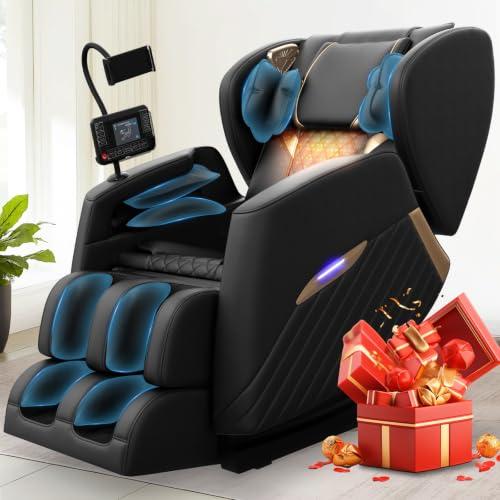
Our Srfzluxy massage chair review: 14 fixed rollers, 8 airbags, lower back heat and a 105 to 165 degree recline for £439.99, plus what the listing leaves out.
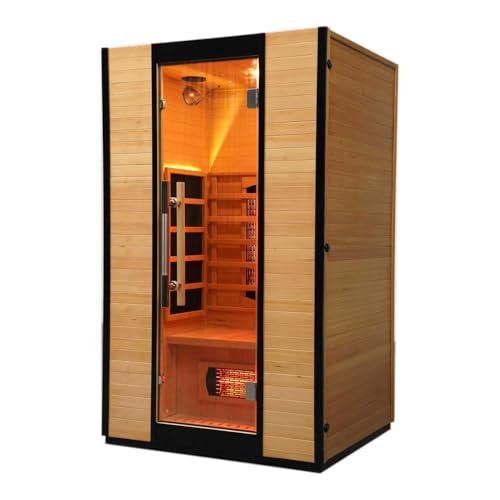
Vidalux Platinum 2 person full spectrum sauna review: 2,300W on a plug socket, 65°C max, hemlock cabin, running costs and why Amazon's £2,195 needs checking.
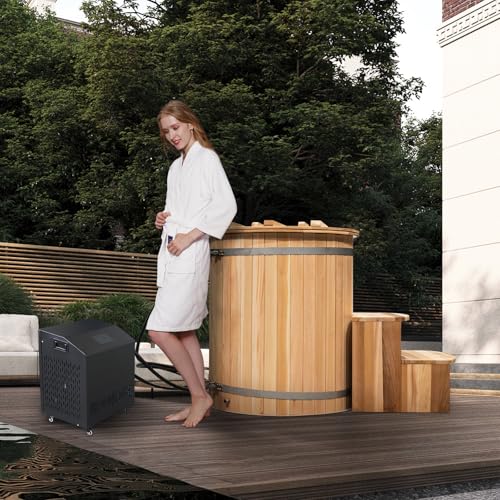
Our Smartmak red cedar cold plunge review: 1HP chiller, 3 to 42°C, WiFi and ozone/UV, plus running costs, floor load, power and a 4 to 5 week wait.
Best Exercise is a participant in the Amazon EU Associates Programme, an affiliate advertising programme designed to provide a means for sites to earn advertising fees by advertising and linking to Amazon.co.uk. As an Amazon Associate we earn from qualifying purchases. This comes at no extra cost to you and never influences our independent reviews or rankings.