Recovery
Is WHOOP Worth It? The Real Cost, Accuracy and Who Should Skip It
Is WHOOP worth it in the UK? What a Peak membership costs over 12 and 24 months, how accurate the band is, and when a Garmin, Oura or Fitbit is better value.

By Mike Shilling, Recovery & Training Editor · Updated 29 November 2026
The Oura Ring is worth it if sleep is the main thing you want to track and you're happy to pay £69.99 a year on top of the ring for as long as you own it. It's the best-researched sleep tracker you can buy, and wearing it is easy enough that you'll forget it's there. It isn't worth it if you mainly want workout data, if you hate subscriptions, or if you'd be buying it to replace a sports watch. For those people, a cheaper no-subscription ring or a watch does the job better.
That's the verdict. The rest of this guide covers what you'll actually pay, what Oura does well, where it falls short and who should buy something else.
How we researched this
This guide draws on our own Oura Ring 5 review and Oura Ring 4 review, Oura's UK membership page (checked November 2026), Amazon UK listings, recurring patterns in owner reviews and published validation studies. We haven't run a long-term wear test of the current rings, so battery and accuracy figures from Oura are reported as the company's claims.
The sticker price is only half of it. Oura's current ring, the Ring 5, lists at £399 in silver or black and £499 in the gold, deep rose, stealth and brushed silver finishes. The older Ring 4 has been selling for around £239 on Amazon UK, though stock comes and goes. Both run the same app and need the same membership.
According to Oura's membership page, UK members pay £5.99 a month or £69.99 a year after a free first month. You can technically wear the ring without paying, but the Sleep Score, Readiness and most of the health insights disappear, which leaves you with an expensive titanium band. Price an Oura as a ring plus a running bill.
| Ring | Upfront | Subscription | 2-year cost | 3-year cost |
|---|---|---|---|---|
| Oura Ring 5 | £399 | £69.99/year | about £539 | about £609 |
| Oura Ring 4 | £239 | £69.99/year | about £379 | about £449 |
| RingConn Gen 2 Air | £179 | None | £179 | £179 |
| Ultrahuman Ring AIR | £199 | None for core tracking | £199 | £199 |
| Samsung Galaxy Ring | around £334 | None | around £334 | around £334 |
Paying monthly instead of annually barely changes the two-year figure, since 23 payments of £5.99 come to about £138. And the gap widens by £70 every year you keep the ring. If you're the kind of person who keeps gadgets for four or five years, that's a real number.
Amazon sometimes discounts the Ring 5 well below its list price, so it's worth checking before you assume the full £399.
Check today's Oura Ring 5 price on AmazonThis is the reason to buy one, and the evidence is better than for almost any other consumer wearable. A 2025 systematic review and meta-analysis in OTO Open pooled six studies with 388 participants and found no statistically significant difference between Oura and polysomnography or actigraphy for total sleep time, sleep efficiency, time awake after falling asleep or light, deep and REM sleep. The average gap for total sleep time was about three minutes.
A 2024 study at Brigham and Women's Hospital put 35 healthy adults through a night of polysomnography while they wore an Oura Ring Gen3, a Fitbit Sense 2 and an Apple Watch Series 8. Oura's sensitivity for sleep stages ran from 76% to 80%, and it was the only one of the three that didn't differ significantly from the lab for wake, light, deep or REM sleep. The Apple Watch underestimated deep sleep by 43 minutes. One caveat worth knowing: the lead author sits on Oura's medical advisory board and declared consulting fees from the company.
Neither study tested the Ring 5, and both mostly involved people without sleep disorders. Oura says the Ring 5's sensors are more accurate again, but nobody outside the company has published a test of that hardware yet.
Oura takes its heart rate variability reading while you sleep, which removes most of the noise you get from daytime readings. In a National University of Singapore study of 114 adults across two sleep labs, Oura's overnight heart rate and HRV correlated strongly with ECG in both younger and older groups. HRV was less precise than heart rate, though, and more than half the participants aged 45 and over saw errors above 10% at short time windows. Accuracy improved when readings were averaged over 30 minutes or a full night, which is roughly how Oura presents them anyway.
The ring tracks your skin temperature every night against your own baseline. On its own that's a dull graph, but it feeds two features people genuinely use: cycle and period prediction (with Natural Cycles and Flo integration), and early warning when a deviation hints you're coming down with something. The Readiness score combines that with last night's sleep, resting heart rate and HRV to suggest whether today is a push day or an easy one. It's a nudge rather than a prescription, and it's more useful read over a week than a single morning. Our guide to sleep and muscle recovery explains why that overnight data matters if you train.
Workout tracking is basic. The ring counts steps, logs an Activity score and spots some workouts on its own, but there's no GPS and no training-load target like WHOOP's Strain. Optical heart rate also struggles with strength training, where your pulse barely moves during a heavy set. Runners and cyclists will still want a watch or a chest strap, and if training load is the priority, our WHOOP vs Oura comparison is the better place to start.
There's no screen. You can't glance at your heart rate mid-run, see the time or get a notification. Everything happens in the app, after the fact. Some people love that; others find it frustrating within a week.
Sizing is a faff. Oura sizes don't match jewellery sizes, and the Ring 5 has its own sizing kit that differs slightly from the Ring 4's. You order the kit, wear a dummy ring for a day and a night, and only then buy. Skip that step and you risk a ring that spins, gives patchy readings or pinches in summer when your fingers swell. The Ring 5 also only comes in sizes 6 to 13.
It gets in the way of lifting. A ring sits exactly where a barbell or kettlebell handle presses into your palm. The Ring 5 is thinner than older models at 2.28mm, which helps, but plenty of owners still take it off for heavy sessions.
If the membership is the sticking point, three rivals give you the core sleep and recovery data with nothing to pay after checkout. The trade-off is less published validation research.
Our Oura Ring alternatives guide covers these alongside screenless bands such as the Garmin Cirqa and the Amazfit Helio Strap.
Buy an Oura Ring if you'll wear it every night, sleep or recovery is the main thing you care about, and £69.99 a year doesn't bother you. That money buys the best evidence base of any smart ring and an app that's had years more polish than its rivals. If you can find a Ring 4 at a good price and it fits, it'll do almost everything a Ring 5 does for about £160 less.
Skip it if you want GPS, lift heavy most days or object to paying a subscription for hardware you already own. In those cases a RingConn ring or a running watch gets you more for your money, and you'll never get the renewal email.
No. The first month of membership is included, but after that the sleep, readiness and health insights sit behind Oura's subscription, which costs £5.99 a month or £69.99 a year in the UK. Without it the ring does very little, so if you won't pay the membership, buy a RingConn, Ultrahuman or Samsung ring instead.
An Oura Ring 5 at its £399 list price plus two years of the £69.99 annual plan comes to about £539, and about £609 over three years. An Oura Ring 4 at £239 works out at about £379 over two years. Rings from RingConn, Ultrahuman and Samsung cost the same on day one as they do in year three, because they don't charge for core tracking.
For a consumer wearable, very. A 2025 meta-analysis of six studies with 388 participants found no statistically significant difference between Oura and lab sleep studies for total sleep time, sleep efficiency or any sleep stage. Single nights can still be off, so the weekly trend is more trustworthy than any one score.
Not especially. It logs steps, heart rate and some auto-detected workouts, but it has no screen, no GPS and no training-load target, and a ring sits right where a barbell or kettlebell handle presses into your hand. Most lifters move it to the other hand or take it off for heavy sessions.
For most people it's the RingConn Gen 2 Air at £179, which includes every app feature in the purchase price. Android owners on Samsung phones should look at the Galaxy Ring, and the Ultrahuman Ring AIR at £199 is the pick if women's health tracking matters most.
Is WHOOP worth it in the UK? What a Peak membership costs over 12 and 24 months, how accurate the band is, and when a Garmin, Oura or Fitbit is better value.
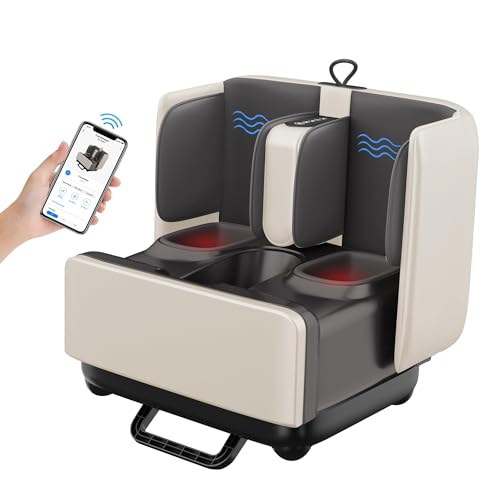
COMFIER 2-in-1 foot massager review: shiatsu, rolling, heat and calf compression in a fold-down ottoman. Who it suits at £620, and the cheaper alternatives.
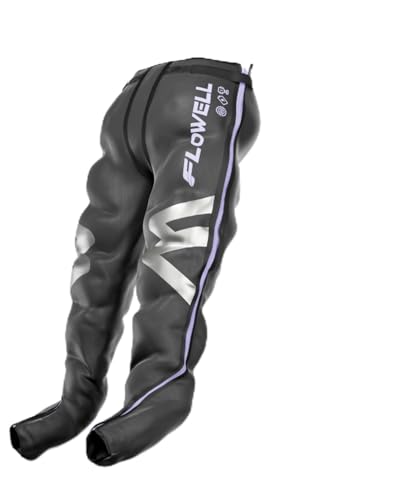
Our Flowell compression review covers the Sport Deluxe pants: 8 chambers, 30 to 240 mmHg, what its FDA clearance really means, the research and the UK price.
Can you use a massage gun on plantar fasciitis? It can ease tight calves and arches, but it won't cure heel pain. Where to aim it, which head, settings and when to see a GP.
Best Exercise is a participant in the Amazon EU Associates Programme, an affiliate advertising programme designed to provide a means for sites to earn advertising fees by advertising and linking to Amazon.co.uk. As an Amazon Associate we earn from qualifying purchases. This comes at no extra cost to you and never influences our independent reviews or rankings.