Exercise Bikes
Peloton Alternative: 4 Cheaper Ways to Get the Same Workout in the UK
The best Peloton alternative depends on what you value. We cost four UK routes over two years, from a cheap bike plus the Peloton App to Zwift and free YouTube.

By Paul Kendrick, Cardio & Endurance Editor · Updated 22 November 2026
For most people choosing between the two, the answer is simple: buy a recumbent bike if comfort, back support or easy access matters most, and buy an upright bike if you want harder, more intense workouts in a smaller footprint. At the same effort, neither gives you a meaningfully better workout. Your legs do similar work on both, and calorie burn depends on how hard you pedal, not which way the seat faces.
That's the short version. The rest of this guide covers where the differences really are, what the research says, and which one fits your situation.
On an upright bike you sit on a saddle with the pedals below you, like a road bike. On a recumbent bike you sit in a chair-style seat with a backrest and the pedals out in front of you. Almost everything else, from comfort to footprint to how hard you can push, follows from that.
| Recumbent bike | Upright bike | |
|---|---|---|
| Comfort | Wide, cushioned seat; very comfortable for long rides | Smaller saddle; can get sore on sessions over 30 minutes |
| Back support | Full backrest, spine supported | None; your core holds you upright |
| Calorie burn at matched effort | Similar | Similar |
| Ceiling for hard efforts | Lower; harder to push very high intensities | Higher; easier to reach maximum effort |
| Muscle emphasis | Quads, glutes, hamstrings; slightly more hamstring and shin | Quads, glutes, hamstrings, calves; more core and upper body bracing |
| Footprint | Long, often 140cm to 160cm | Compact, roughly 80cm to 100cm |
| Typical UK price | Around £180 to £450 for good home models | Around £150 to £300 for good home models |
| Getting on and off | Easy, low step-through frame | Need to swing a leg over or step through |
| Older adults | Usually the better choice | Fine if balance and mobility are good |
| Back pain | Usually the better choice | Can work if set up well |
| Knee rehab | Easy to control knee angle via seat distance | Also widely used; saddle height is key |
| Weight loss | Good if you'll ride longer and more often | Good if you'll push harder |
| Standing intervals | Not possible | Possible on sturdier models and spin bikes |
Not by much, if at all, at a moderate effort. A study that recorded leg muscle activity in non-cyclists pedalling standard recumbent and upright ergometers found no significant differences in the four muscles tested. The recumbent produced slightly more activity in the hamstrings and the muscle at the front of the shin, while the upright bike produced slightly more in the rectus femoris, one of the quad muscles. None of those gaps was statistically meaningful.
So the "recumbent is the lazy option" idea doesn't hold up for steady riding. Your quads and glutes drive the pedals on both. What changes is everything around your legs:
If you want the full breakdown of which muscles cycling uses, our guide to what muscles cycling works goes through each one.
This is where most comparisons get it wrong. A bike does not burn calories; your legs do, and they burn them in proportion to how hard and how long they work. Pedal at 100 watts for 30 minutes on a recumbent and the same on an upright, and the energy cost is close.
The honest difference is in how high you can go. A lab study that had healthy adults ride to exhaustion in upright, recumbent and supine positions found upright cycling produced higher peak power, oxygen uptake and heart rate than the reclined positions. In plain terms, people can work harder when sitting up. At a moderate 70 watts, efficiency was broadly similar upright and recumbent, and both were well ahead of lying flat.
What that means for you:
The best bike for weight loss is the one you use most. A comfortable recumbent you ride five times a week will beat an upright you dread. Our guide to whether an exercise bike is good for losing weight covers how much riding it takes to make a dent.
The honest bottom line on calories
Seat type changes how hard it is to reach high intensities. It does not change the calories at any given effort. Pick the bike you'll ride most often and longest, then add resistance as you get fitter.
Go recumbent. The low frame means you step through rather than swinging a leg over, the backrest and side handles keep you steady, and the wide seat is comfortable for long sessions. Read our guide to recumbent bike benefits for more on why they suit this group so well.
Recumbent is usually the safer start. The backrest supports your spine and you're not leaning forward to reach the bars. Set the seat so your knee keeps a slight bend at the furthest point of the pedal stroke, and keep your back against the rest rather than hunching forward. If your back is fine, an upright with the handlebars raised also works for many people.
Both are used in rehab, so take your physio's lead. A recumbent lets you fine-tune how far your knee bends by sliding the seat, and it is easier to get on with a stiff joint. An upright bike works well too, as long as the saddle height is right: too low and your knee bends too much at the top of the stroke. Our exercise bike seat height guide explains how to set it.
Either works. Choose the upright if you enjoy hard efforts and will do intervals. Choose the recumbent if you'd rather ride longer at a steady pace, especially if you're heavier, since the bigger seat and higher weight ratings on many recumbents make long sessions far more comfortable.
Upright, and ideally a spin bike. You cannot stand up on a recumbent. Many basic upright bikes aren't built for standing either, so if out-of-the-saddle climbs matter to you, read our spin bike vs exercise bike comparison first.
Upright. A recumbent's long frame can need half as much floor space again, or more, and most don't fold. A compact upright tucks into a corner far more easily.
Some recumbent bikes come with arm exercisers, moving handles you push and pull while you pedal. The Pooboo recumbent exercise bike with arm exerciser is one example. They won't build serious upper body strength, but they do get more of your body involved.
If you're unsure, think about why you're buying the bike. If the honest answer is "to get moving more without pain", get a recumbent. If it's "to get fitter and push myself hard", get an upright.
For recumbents, our pick of the best recumbent exercise bikes in the UK covers budget to premium models, and the JLL recumbent exercise bike review looks at one popular mid-range option in detail. For uprights, our upright exercise bike guide explains what to look for at each price point. You can browse every model we've covered on the exercise bikes hub.
At the same effort, yes, very close. Research comparing the two at moderate workloads found no significant difference in leg muscle activity. The real gap is at the top end: most people can push harder on an upright bike because they can use their body weight and, on some bikes, stand up. If you ride at a steady, moderate pace, the workout is much the same on either.
Whichever one you pedal harder and longer. Calorie burn comes from the work your legs do, not the shape of the seat. Upright bikes make it easier to reach very high intensities, so they suit hard interval sessions. A recumbent you will happily ride for 45 minutes can easily out-burn an upright bike you avoid.
Often, but not because recumbent pedalling is gentler on the knee itself. It is easier to get on and off, the seat and backrest keep you stable, and you can set the seat distance precisely so your knee never bends further than is comfortable. An upright bike with the saddle at the right height is also widely used in knee rehab. Follow your physio's advice on which to use.
For most people with back pain, yes. The backrest supports your spine and takes weight off your lower back, and you are not leaning forward to reach the handlebars. That said, some people find a well set up upright bike fine. If your pain gets worse on either, stop and get it checked.
Yes. Because your legs extend out in front rather than below you, recumbent bikes are longer, often 140cm to 160cm, against roughly 80cm to 100cm for a typical upright. They are also heavier and rarely fold. If floor space is tight, an upright or folding bike is the easier fit.
A recumbent bike suits most older adults better. The low step-through frame, wide seat, backrest and handles at the sides make it safer to get on and off and more comfortable for long sessions, which matters for balance and confidence. Fit, active older riders who want harder training may still prefer an upright.
The best Peloton alternative depends on what you value. We cost four UK routes over two years, from a cheap bike plus the Peloton App to Zwift and free YouTube.
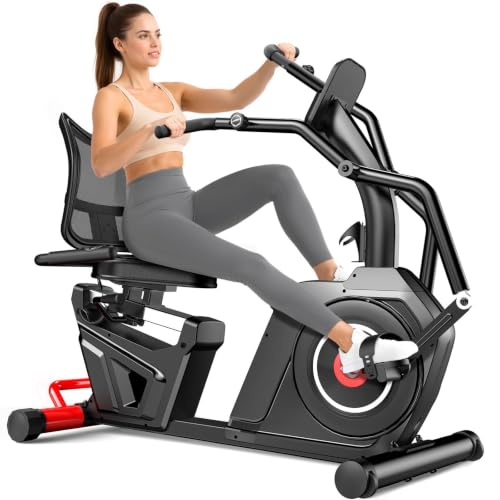
An honest pooboo recumbent exercise bike review: arm exerciser, 16 magnetic levels and 204kg capacity, but no app, no flywheel figure and a £499.99 price.
Garmin Edge 540 vs 840 compared: same screen, battery and training tools, but the 840 adds a touchscreen, 32 GB storage and on-device routing. Which is worth it?
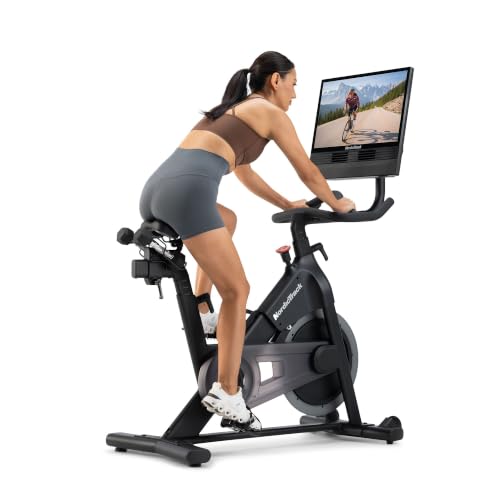
An honest NordicTrack 24 Studio Bike review: 24in pivoting touchscreen, 24 resistance levels, 113kg limit, real iFIT costs and how it compares with Peloton.
Best Exercise is a participant in the Amazon EU Associates Programme, an affiliate advertising programme designed to provide a means for sites to earn advertising fees by advertising and linking to Amazon.co.uk. As an Amazon Associate we earn from qualifying purchases. This comes at no extra cost to you and never influences our independent reviews or rankings.