Exercise Bikes
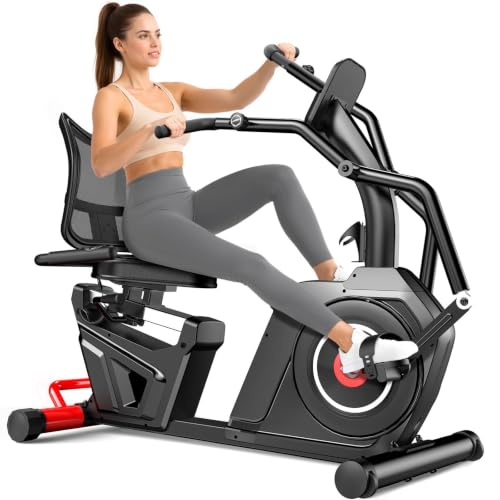
pooboo Recumbent Exercise Bike with Arm Exerciser Review: Full Body, Full Price
An honest pooboo recumbent exercise bike review: arm exerciser, 16 magnetic levels and 204kg capacity, but no app, no flywheel figure and a £499.99 price.

By Paul Kendrick, Cardio & Endurance Editor · Updated 22 November 2026
The best Peloton alternative for most UK riders is a decent magnetic spin bike running the Peloton App+ on a tablet. You get the same instructors and the same class library, and over two years it costs roughly a third of a new Peloton Bike with All-Access. If you'd rather race than follow classes, a smart trainer and Zwift is better value still, and if you just want to move more, a £190 bike and free YouTube rides will do the job.
That's the headline. The detail matters, because each route trades away something different, and Peloton's pricing makes it easy to compare the wrong numbers. Below is what you actually pay for with Peloton, then four realistic alternatives with rough two-year costs and an honest list of what you give up.
Peloton sells two things: the bike and the membership. The bike is a one-off cost. The membership is a monthly bill that never stops, and it's where most of the money goes.
At the time of writing, Peloton's UK bike page lists the Cross Training Bike at £1,599, with a £450 discount running until 30 November 2026. The Bike+ lists at £2,299 on Peloton's UK site, with £600 off over the same Black Friday window. A refurbished Original Bike+ is £1,299. Every one of them needs the All-Access Membership, which Peloton lists at £45 a month. One membership covers everyone in the household.
So what does £1,599 plus £45 a month buy you?
The point to hold on to: the classes are available without the bike. Peloton sells them separately through its app, and that changes the maths completely. If you're still deciding whether Peloton itself makes sense, our is Peloton worth it guide runs the one and three-year numbers.
The figures below assume 24 months of use and list prices at the time of writing. Peloton sales come and go, so we've used the non-sale price and noted the discounted figure where it applies. Subscriptions assume the cheapest sensible plan (annual where one exists).
| Route | Hardware | Subscription (2 years) | Total |
|---|---|---|---|
| Peloton Bike + All-Access | £1,599 | £1,080 | £2,679 |
| Peloton Bike+ + All-Access | £2,299 | £1,080 | £3,379 |
| Refurbished Bike+ + All-Access | £1,299 | £1,080 | £2,379 |
| Budget spin bike + Peloton App+ | about £255 to £300 | £578 | about £835 to £880 |
| NordicTrack 24 Studio Bike + iFIT Pro | about £999 | £698 | about £1,700 |
| Smart trainer + Zwift (own road bike) | about £400 | £360 | about £760 |
| Renpho AI Smart Bike + Zwift | about £499 | £360 | about £860 |
| Budget magnetic bike + free YouTube | about £190 | £0 | about £190 |
With the current £450 Black Friday discount, the Peloton Bike route drops to £2,229. That's still more than £1,300 above the App+ route.
This is the one we'd point most people towards. Peloton says on its UK app page that you can use the app with any bike or treadmill. App+ costs £28.99 a month or £289 a year and gives unlimited cycling classes. App One is £12.99 a month, but it only includes three cardio equipment classes a month, which is no use if cycling is your main workout.
Pair it with a quiet magnetic spin bike that has a heavy flywheel. The JOROTO X2 was around £255 when we reviewed it, with an 18kg flywheel and a 160kg user limit. Add a tablet stand if the bike doesn't have one, and a Bluetooth cadence sensor if you want numbers on screen. Peloton says iOS and Android users on a non-Peloton bike can connect a Bluetooth cadence monitor to see real-time cadence in cycling classes.
How to set it up:
What you lose: the bike can't report resistance to the app, so there's no Peloton output figure and no fair leaderboard ranking. You'll also be riding by feel rather than numbers when the instructor calls resistance.
If you want a screen and an all-in-one machine but not Peloton's price, NordicTrack is the closest rival. Its iFIT platform runs trainer-led classes and scenic rides, and on compatible machines it can change your resistance for you during a workout. NordicTrack's own iFIT versus Peloton comparison lists iFIT Pro, the tier for touchscreen machines, at £34 a month or £349 a year.
The NordicTrack 24 Studio Bike was around £999 on Amazon UK when we reviewed it, with a 24in pivoting screen and 24 resistance levels. If you're happy using your own tablet, the NordicTrack T Series 9 Bike was £449 at the time of our review and works with the cheaper iFIT Train tier at £14 a month.
Echelon is the other name UK buyers see. The Echelon EX-5s has a 21.5in screen and was around £1,349 on Amazon UK in our review, with Echelon's Premier membership at about £29.99 a month (less on longer plans). The hardware is good. The app is the weak point.
What you lose: Peloton's instructors, which many riders consider the best in the business. iFIT has its own trainers and a large library, but the classes feel different, and you're still locked into a subscription to make the screen useful.
If you already own a road bike, this is the cheapest way to get automatic resistance. A direct drive smart trainer replaces your rear wheel, reads your power and lets an app control the resistance. When the road climbs in Zwift, the pedals get harder.
Zwift costs £17.99 a month or £179.99 a year, according to Zwift's UK pricing guide. A good direct drive trainer such as the Wahoo KICKR CORE 2 sits around £400. Our best turbo trainer UK guide covers the options from budget wheel-on units upwards.
No road bike? The Renpho AI Smart Bike was around £499 when we reviewed it, pairs with Zwift as a controllable trainer, and adjusts its own resistance. You supply the screen.
What you lose: the studio class format. Zwift is a game: group rides, races and structured workouts in a virtual world. Some people find that far more motivating than an instructor. Others find it lonely. It also suits people who like data, because power is measured rather than estimated.
The honest option for anyone who just wants to ride more. The MERACH MR-S26UK was £189.99 when we reviewed it, with a cast iron flywheel, a 136kg user limit and a free companion app. Prop your phone or tablet on the bars and follow any of the free spin classes on YouTube.
What you lose: almost everything clever. No resistance numbers that mean anything, no leaderboard, no real data and no structure unless you build it yourself. A free YouTube instructor won't know your fitness level or progress you over time. But if the bike gets you riding three times a week, it's done the job that matters.
It's worth being clear about the trade-offs, because some of them are real.
The three things a cheaper setup can't fully replace
Auto-follow resistance on the Bike+, a measured output figure that drives the leaderboard, and the plug-in-and-ride convenience of one screen and one login. Everything else, including the instructors, is available more cheaply.
Resistance auto-adjust. Only the Bike+ has auto-follow. The standard £1,599 Bike doesn't, so if this is the feature you want, you're comparing alternatives against a £2,299 bike. A smart trainer or the Renpho bike gives you automatic resistance in Zwift for a fraction of that.
The leaderboard. Peloton's leaderboard ranks riders on output, which the bike calculates from cadence and resistance. On a non-Peloton bike the app gets cadence from a sensor but has no way to read your resistance. If competing against other riders is what keeps you going, Zwift does this better than the App+ route.
Resale value. A Peloton has an established second-hand market, so you'll get some money back if you sell. A £190 bike is worth very little used. That said, our Peloton reviews note that resale depends on the buyer taking on their own membership, which limits the pool of buyers. Don't count on resale to close the gap.
Household sharing. One All-Access fee covers every rider in the house. If two or three people will genuinely ride, the per-person cost falls sharply and Peloton looks much more reasonable.
Work it out from what gets you on the bike:
Whichever route you pick, spend money on the bike's fit and flywheel before anything with a screen. Browse our exercise bikes hub for every bike we've reviewed, or start with the best smart exercise bike UK guide if connected features are a must.
For most people it is a solid magnetic spin bike with the Peloton App+ on a tablet. You get the same instructors and class library for £289 a year instead of £45 a month, and the bike costs a fraction of Peloton hardware. Over two years that route comes to under £900, against roughly £2,679 for a new Peloton Bike with All-Access at list price.
Yes. Peloton says you can use the app with any bike or treadmill. The App+ tier gives unlimited cycling classes, and on iOS or Android you can pair a Bluetooth cadence monitor to see your real-time cadence. The app cannot read your resistance or calculate Peloton output from a normal bike, so you follow the instructor's cues by feel.
A new Peloton Bike at £1,599 plus 24 months of All-Access at £45 comes to £2,679. A budget spin bike with App+ comes to roughly £835 to £880, a smart trainer with Zwift about £760 if you already own a road bike, and a basic magnetic bike with free YouTube classes under £200. The saving is mostly the subscription, not the bike.
It is the closest like-for-like option, because iFIT offers trainer-led classes and automatic resistance on compatible machines. The NordicTrack 24 Studio Bike was around £999 on Amazon UK when we reviewed it, and iFIT Pro costs £34 a month or £349 a year. Two years comes to about £1,700, which is cheaper than Peloton but still a real commitment.
Mainly convenience. You lose the built-in screen, the Bike+ auto-follow resistance, Peloton's output figure and the leaderboard ranking that depends on it, and the one-fee household membership. A Peloton also has a second-hand market, while a budget bike is worth very little once it's used. For self-motivated riders, none of that justifies the price gap.
An honest pooboo recumbent exercise bike review: arm exerciser, 16 magnetic levels and 204kg capacity, but no app, no flywheel figure and a £499.99 price.
Recumbent bike vs upright bike compared on comfort, back support, calorie burn, muscles worked, space and price, with a clear verdict for every type of rider.
Garmin Edge 540 vs 840 compared: same screen, battery and training tools, but the 840 adds a touchscreen, 32 GB storage and on-device routing. Which is worth it?
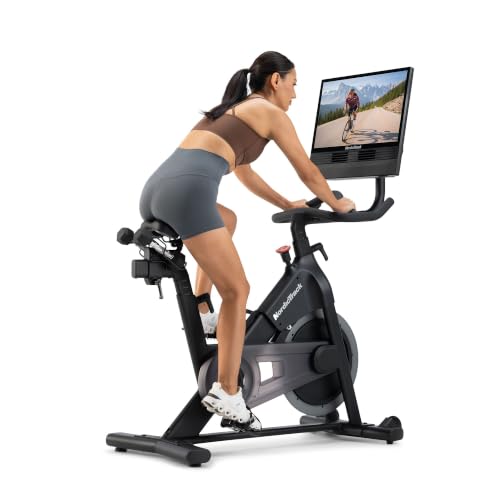
An honest NordicTrack 24 Studio Bike review: 24in pivoting touchscreen, 24 resistance levels, 113kg limit, real iFIT costs and how it compares with Peloton.
Best Exercise is a participant in the Amazon EU Associates Programme, an affiliate advertising programme designed to provide a means for sites to earn advertising fees by advertising and linking to Amazon.co.uk. As an Amazon Associate we earn from qualifying purchases. This comes at no extra cost to you and never influences our independent reviews or rankings.