Exercise Bikes
Peloton Alternative: 4 Cheaper Ways to Get the Same Workout in the UK
The best Peloton alternative depends on what you value. We cost four UK routes over two years, from a cheap bike plus the Peloton App to Zwift and free YouTube.

By Paul Kendrick, Cardio & Endurance Editor · Updated 22 November 2026
We may earn a commission from qualifying purchases made through links on this page, at no extra cost to you. This never affects our ratings.
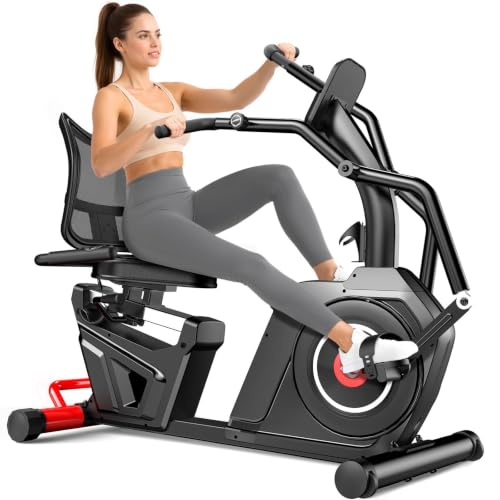
The pooboo Recumbent Exercise Bike with Arm Exerciser is a reasonable machine at the wrong price. It earns its place with moving arm handles that turn a leg-only ride into full-body work, 16 levels of magnetic resistance and a 204kg user limit that few home recumbents match. Against that, at £499.99 when we checked on 22 November 2026, you get an LCD console, no app, no stated flywheel weight and no stated assembled dimensions. If the arms or the weight capacity are what you need, it is worth a look. If not, cheaper recumbents do the basics as well.
pooboo is one of the Amazon-first brands that has grown quickly on the back of budget cardio kit, and we have already covered its foldable cross trainer. This recumbent sits in a different bracket. At nearly £500 it is priced against established names rather than undercutting them, and the listing showed only 15 left in stock at the time of writing.
How we review
We have not ridden this bike. This review is based on pooboo's Amazon UK listing, the manufacturer's stated specifications, and comparison with the recumbent bikes we have already reviewed. Where the listing leaves something out, such as flywheel weight or dimensions, we say so rather than guess.
The pitch is aimed at older riders, people in rehab and beginners, and on paper that is who it suits. A recumbent puts you in a reclined seat with a backrest, so your weight is spread across the seat and back rather than perched on a narrow saddle. Our guide to recumbent bike benefits covers why that position is kinder to the lower back and knees.
There is evidence behind the use case. A 2026 systematic review in BMC Geriatrics of stationary bike interventions in adults aged 60 and over pooled 47 studies and found significant improvements in aerobic capacity, mobility, cognition and quality of life. The same review found acceptance and adherence across those studies were modest, which is the realistic caveat: the bike only helps if you keep getting on it. Comfort and variety both matter for that, and the arm exerciser gives you something to do beyond pedalling.
The arms also help with the NHS physical activity guidelines for older adults, which recommend at least 150 minutes of moderate activity a week, plus strength work on two days. Thirty minutes on a recumbent, five days a week, covers the cardio target. The arm handles will not replace proper strength training, but they do get the upper body moving rather than sitting idle.
It suits heavier riders too. A 204kg maximum user weight is well above most home recumbents, and for someone who has been put off by lower limits elsewhere, that alone may decide it.
It is a poor fit for anyone wanting hard intervals or a weighty, road-like pedal feel. Without a stated flywheel weight we cannot tell you how the ride carries momentum, and recumbents in general are built for steady riding.
Check price on Amazon£499.99This is the feature you are paying extra for, so it deserves a careful look. pooboo describes a manual arm linkage that produces an elliptical-style motion, with arms and legs working together. In practice that means a pair of handles in front of you that move back and forth as you ride, in the way a cross trainer's handles do.
The listing says the arm exerciser "lets you control intensity", which we read as meaning you add effort by pushing and pulling harder, rather than dialling in a separate arm resistance. That matters. You can let the handles drift along with the pedals on an easy day, or work them properly when you want a harder session. pooboo does not describe the mechanism in more detail, so we cannot confirm how much the arms contribute at higher resistance levels.
Why bother with arms at all? Using more muscle mass at the same perceived effort generally raises energy use, and for riders with limited leg strength it spreads the work around. For someone recovering from illness or easing back into exercise, being able to use their arms when the legs tire is useful. The trade-off is that you lose the fixed handlebars that many riders like to hold, although the bike does have handlebar grips with the pulse sensors.
Sixteen levels of magnetic resistance is the second real advantage. The JLL and MERACH recumbents we have reviewed both have eight, and the most common complaint about them is that each step is a big jump. Twice as many levels means finer progression, which helps beginners who need very small increments and riders who want to creep up week by week. Magnetic systems do not touch the flywheel, so there are no brake pads to wear and very little noise.
What we cannot tell you is how the ride feels, because pooboo gives no flywheel weight. The JLL lists 4kg and the MERACH around 3kg, both light. A heavier flywheel carries more momentum and gives a smoother stroke at low cadence. Without a figure, we would assume something in the same light range until pooboo says otherwise. The listing also does not say whether resistance changes by a knob, a lever or buttons on the console, which affects how easy it is to adjust mid-ride.
For steady 30 to 45 minute sessions, a light flywheel is not a problem. If you want to follow structured intervals, our recumbent bike workout guide sets out sessions that work within the limits of a typical home recumbent.
| Type | Recumbent bike with moving arm handles |
|---|---|
| Resistance | Magnetic, 16 levels |
| Flywheel | Not stated |
| Max user weight | 204 kg |
| Console | LCD monitor |
| Heart rate | Handlebar pulse sensors |
| Connectivity | None stated |
| Seat | Padded seat, mesh backrest, press-lever fore-aft rail |
| Mobility | Front transport wheels, adjustable anti-slip feet |
| Dimensions | Not reliably stated |
| Price when checked | £499.99 (22 November 2026) |
The seat adjusts fore and aft on a chrome-plated rail using a press lever, which pooboo says replaces the older pull-pin knob. That is a practical improvement. Pull-pins can be fiddly for anyone with weak grip or arthritic hands, and a lever you press while seated is easier when more than one person uses the bike. The listing mentions a padded seat and a ventilated mesh backrest, which should stay cooler on longer rides than solid foam.
The front transport wheels let you tilt and roll the bike, and anti-slip adjustable feet help it sit level on uneven floors. pooboo calls it compact and space saving, but gives no assembled dimensions or bike weight we can trust. The figures Amazon displays describe something a few inches across, which is clearly the wrong data, so we have ignored them. Recumbents are long machines by nature, so measure your space and check the product questions before ordering.
The console is a plain LCD. pooboo says it shows real-time heart rate from the handlebar sensors, and you can expect the usual time, distance, speed and calorie readouts, though the listing does not spell them out. There is no mention of Bluetooth, an app, or a tablet holder.
That is the weakest part of the package at this price. The JLL recumbent connects to the free SunnyFit app and the MERACH to its own app and the FantomFite game, both for far less money. Guided sessions are not essential, but for many people they are what keeps a bike in use past the first month, and the BMC Geriatrics review found that virtual aids improved outcomes in several of its trials.
Handlebar pulse sensors are fine for a rough guide. They lose the signal when your grip shifts or your hands get sweaty, and on this bike your hands may often be on the moving arms rather than the sensor grips. If heart rate matters to you, a chest strap paired with a watch will be more reliable.
This is where the rating comes from. At £499.99, the pooboo is about £200 more than the JLL recumbent (£298.99 when we checked) and about £170 more than the MERACH recumbent (£329.99). Both of those have an app, a stated flywheel weight and stated dimensions. Neither has moving arms, and neither offers 16 levels or a 204kg capacity.
So the question is simple. Do you need upper-body movement, finer resistance steps or a higher weight limit? If yes, the pooboo is one of the few recumbents that brings all three together, and the premium makes some sense. If you mainly want a comfortable, quiet seated bike for daily riding, the JLL or MERACH will do that job for much less, and you get an app thrown in. Our best recumbent exercise bike UK roundup has more options, and the full range is in our exercise bikes hub.
We would also like to see a longer ownership record before calling this a safe buy at nearly £500. pooboo does not state a warranty term in the listing, and the bearings, console and arm linkage are the parts most likely to need attention on any bike in this class.
Check price on Amazon£499.99Only if the moving arms or the 204kg capacity matter to you. On features alone it does less than the JLL and MERACH recumbents we have reviewed, which cost roughly £170 to £200 less and both connect to an app. What the pooboo adds is upper-body work, twice as many resistance levels and a much higher stated user weight limit.
pooboo describes a manual arm linkage that gives an elliptical-style push and pull while you pedal, so arms and legs move together. The listing says you control upper-body intensity yourself, which suggests you add effort by pushing and pulling harder rather than setting a separate resistance for the arms. It does not explain the mechanism in more detail, so treat that as our reading of the description.
The listing gives a 204kg maximum user weight. That is far higher than most home recumbents and is one of the strongest reasons to choose this bike, particularly for heavier riders who want a supportive seat and a step-through frame.
The Amazon listing makes no mention of Bluetooth or app support. The console is an LCD showing your workout data and heart rate from the handlebar sensors. If you want guided sessions or ride tracking on a phone, the JLL and MERACH recumbents both offer that for less money.
pooboo does not state either. There is no flywheel weight in the listing, and the dimensions Amazon shows are obviously wrong for a full-size bike, so we have ignored them. Check the product questions on Amazon or contact the seller before buying if floor space is tight.
The best Peloton alternative depends on what you value. We cost four UK routes over two years, from a cheap bike plus the Peloton App to Zwift and free YouTube.
Recumbent bike vs upright bike compared on comfort, back support, calorie burn, muscles worked, space and price, with a clear verdict for every type of rider.
Garmin Edge 540 vs 840 compared: same screen, battery and training tools, but the 840 adds a touchscreen, 32 GB storage and on-device routing. Which is worth it?
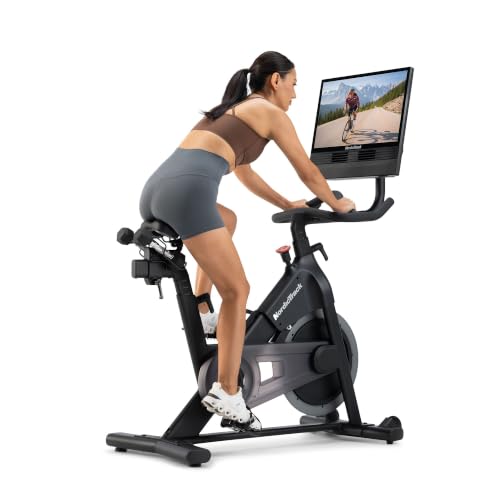
An honest NordicTrack 24 Studio Bike review: 24in pivoting touchscreen, 24 resistance levels, 113kg limit, real iFIT costs and how it compares with Peloton.
Best Exercise is a participant in the Amazon EU Associates Programme, an affiliate advertising programme designed to provide a means for sites to earn advertising fees by advertising and linking to Amazon.co.uk. As an Amazon Associate we earn from qualifying purchases. This comes at no extra cost to you and never influences our independent reviews or rankings.