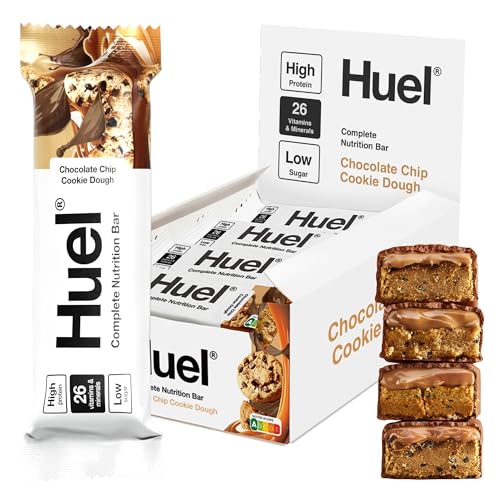
Nutrition
Huel Bar Review: Complete Nutrition Bar, Snack or Meal?
Our Huel bar review: about 14g plant protein, 7g fibre and 2g sugar in a vegan 55g bar for roughly £2.05 to £2.55. Is it a meal replacement, a snack or a protein bar?

By Declan Hallwood, Nutrition & Supplements Editor · Updated 22 November 2026
A stimulant free pre workout is a pre-workout supplement with no caffeine or other stimulants in it. Instead of making you feel wired, it relies on ingredients such as citrulline, beta-alanine, creatine and nitrate that support blood flow, high-intensity endurance and strength over time. It suits people who train in the evening, are sensitive to caffeine, or want to protect their sleep. The catch is that many tubs underdose the ingredients that matter, so knowing the effective doses is the whole game.
Most standard pre workouts are built around caffeine, often 200 to 300mg a scoop or more, sometimes stacked with other stimulants. A stim free formula removes all of that. On a proper stim free label you should not find:
If a product calls itself "low stim" rather than stim free, read the label. Low stim usually still means some caffeine.
This is where most of the value sits. The dose matters as much as the ingredient: a sprinkle of something good does nothing.
| Creatine monohydrate | 3 to 5g a day (daily, timing flexible) |
|---|---|
| Beta-alanine | 4 to 6g a day, split into 2g or smaller doses |
| Citrulline malate | 6 to 8g, about an hour before training |
| Dietary nitrate (beetroot) | About 5 to 9 mmol (310 to 560mg), 2 to 3 hours before |
| Betaine | Around 2.5g a day in most studies (mixed evidence) |
Creatine is the best-researched supplement in sport for strength and power. The ISSN position stand describes a maintenance dose of 3 to 5g a day once muscle stores are full, with larger athletes possibly needing 5 to 10g (ISSN position stand on creatine). It works by saturating your muscles over weeks, so it is not really a "pre" workout ingredient at all: you need it every day. Our guide to creatine before or after a workout covers why timing barely matters.
Many stim free tubs contain 1 to 3g of creatine, or none. If you already take creatine separately, you do not need it in your pre workout too.
Beta-alanine raises muscle carnosine, which helps buffer acid during hard efforts. The ISSN recommends 4 to 6g a day, split into doses of 2g or less, for at least two to four weeks. Its benefits are clearest in hard efforts lasting around 1 to 4 minutes, so think high-rep sets, circuits and rowing intervals rather than a single heavy rep (ISSN position stand on beta-alanine).
Like creatine, it builds up over time, so one scoop on training days only gets you part of the way. It is also the source of the tingle. That pins-and-needles feeling is paraesthesia, and the same position stand describes it as the only reported side effect and harmless. Smaller split doses of around 1.6g reduce it.
Citrulline is the main "pump" ingredient with decent support. Your body converts it to arginine, which raises nitric oxide and helps blood flow. Most studies on training performance use 6 to 8g of citrulline malate taken roughly an hour before exercise, and the results are positive but modest: a few extra reps on high-volume sets rather than a dramatic change. If a label lists "L-citrulline" rather than citrulline malate, the equivalent dose is lower, because citrulline malate is part malic acid. Our best citrulline UK guide goes into the forms.
Nitrate, usually from beetroot extract or beetroot juice, also feeds nitric oxide production. A 2021 narrative review in Nutrients put the effective range at about 5 to 16.8 mmol (roughly 300 to 1,041mg) taken 2 to 3 hours before exercise, with a narrower 5 to 9 mmol (310 to 560mg) range in the body of the review (Macuh and Knap, nitrate and exercise performance). The same review advises against antibacterial mouthwash if you want the effect, because the mouth bacteria that convert nitrate are part of the process.
The benefit looks strongest for endurance work and in less-trained people. Many pre workouts list "beetroot powder" without saying how much nitrate it provides, which makes the dose impossible to judge.
Betaine (trimethylglycine) shows up in some stim free formulas. Most studies use around 2.5g a day, and the results for strength and power are mixed: some trials show small gains, others show nothing. Treat it as a maybe, not a reason to buy.
Three checks before you buy
Find the dose of each ingredient per scoop. Compare it against the evidence-based doses above. Then work out the price per properly dosed serving, not per scoop.
For context on what a full caffeinated formula looks like, our best pre workout UK guide compares the main options.
Mixing single-ingredient powders is often cheaper than a branded tub and lets you dose each ingredient correctly. Prices below are rough UK bulk-powder figures and move around, so treat them as a guide.
That puts a creatine, beta-alanine and citrulline stack at very roughly 60p to 90p a day before beetroot. Taste is the downside: unflavoured citrulline is sour, so mixing it into squash or a flavoured drink helps. Take creatine and beta-alanine daily, and citrulline about an hour before training.
If you do want caffeine on some days, timing is the lever. The ISSN caffeine position stand says the most common approach in research is to take it around 60 minutes before exercise, at 3 to 6mg per kg of body mass, with benefits possible from as little as 2mg per kg. It also flags that caffeine near bedtime harms sleep and that people should monitor this.
Caffeine's half-life is commonly put at around five hours, but individual variation is large, so a 6pm dose can still be active at bedtime for many people. Our guide on how long pre workout lasts goes into the timeline in more detail. A practical split:
If you prefer a chewable format, our look at pre workout gummies explains what they can and cannot realistically fit in each serving.
It can, but only if it contains the right ingredients at proper doses. Creatine, beta-alanine, citrulline and dietary nitrate all have research behind them. What you will not get is the instant buzz of caffeine, because most of these ingredients work over days and weeks or through better blood flow rather than by making you feel alert.
Yes. That is the main reason people buy it. Without caffeine or other stimulants, a stim free pre workout should not keep you awake, so it suits evening trainers and shift workers. Check the label for green tea extract, guarana, yerba mate or theacrine, which are stimulants under a different name.
The tingling comes from beta-alanine. It is called paraesthesia and is harmless. It is dose dependent, so splitting your daily beta-alanine into smaller servings of around 1.6g usually reduces it. Some people grow used to it after a few weeks.
Usually, yes. Buying creatine, citrulline malate and beta-alanine as single bulk powders and mixing them yourself tends to cost well under £1 a serving, and you know every dose is correct. The trade-off is taste and convenience, since unflavoured citrulline in particular is sour.
Creatine and beta-alanine work by building up in your muscles, so they need taking daily, including rest days. Citrulline and nitrate act more acutely, so those only matter on training days. That is one reason a DIY approach often makes more sense than a single scoop of a tub.
Our Huel bar review: about 14g plant protein, 7g fibre and 2g sugar in a vegan 55g bar for roughly £2.05 to £2.55. Is it a meal replacement, a snack or a protein bar?
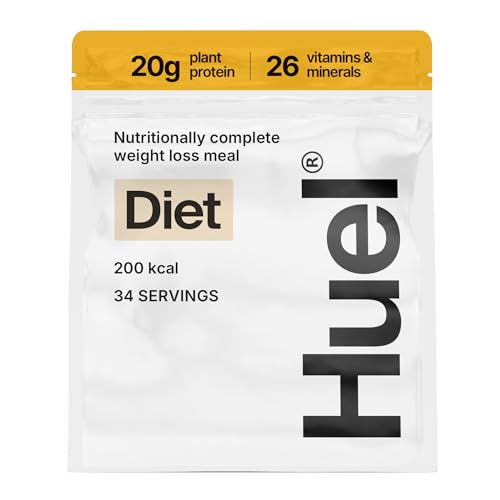
Our Huel Diet review: 200kcal, 20g plant protein and 5g fibre per 52g shake, 34 meals a bag, sucralose-sweetened. UK price, the meal replacement rules it follows, and whether a 100% Huel diet is safe.
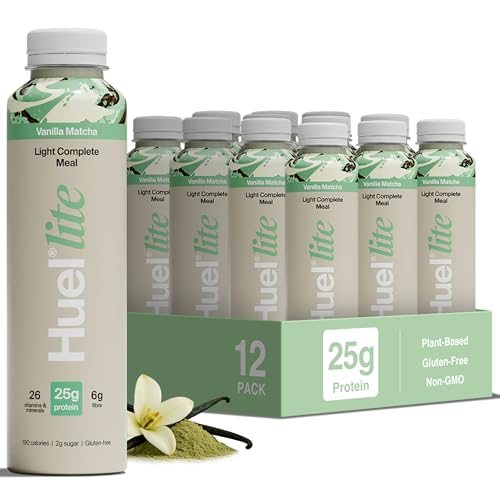
Our Huel Lite review: 190kcal, 25g plant protein, 5.7g fibre and under 2g sugar per 500ml bottle. Ingredients, stevia, caffeine, UK price and how it compares with Huel RTD and Huel Diet.
Looking for a Huel alternative? We match the best options to your reason for leaving, from cheaper and lower calorie shakes to milk-based drinks and a DIY recipe.
Best Exercise is a participant in the Amazon EU Associates Programme, an affiliate advertising programme designed to provide a means for sites to earn advertising fees by advertising and linking to Amazon.co.uk. As an Amazon Associate we earn from qualifying purchases. This comes at no extra cost to you and never influences our independent reviews or rankings.