Home Gym
Garmin Forerunner 55 Review: Is a 2021 Running Watch Still Worth It?
Garmin Forerunner 55 review for late 2026: two-week battery, 20h GPS, PacePro and suggested workouts for about £114, plus what it lacks against the 165.

By Paul Kendrick, Cardio & Endurance Editor · Updated 16 November 2026
The Forerunner 165 is the better watch for nearly everyone, and at current UK prices it's barely more expensive. When we checked Amazon UK on 16 November 2026, the Forerunner 55 cost £113.79 and the standard Forerunner 165 cost £135, a gap of roughly £21. That £21 gets you a sharp AMOLED touchscreen, HRV status, Garmin Pay, Pulse Ox, a barometric altimeter and a much richer training picture. Buy the 55 only if you want the longest battery for the least money and don't care what the screen looks like.
How we compared them
This comparison is built from Garmin's official UK spec sheets for both watches, Amazon UK listing data and price checks made on 16 November 2026. We haven't run the two watches side by side ourselves, so every figure below comes from those sources rather than our own testing.
Pick the Forerunner 165 if you run three or more times a week, want to see whether your body is coping with training, or just want a watch that looks good on your wrist at the office. Pick the Forerunner 55 if you want a cheap, light GPS watch that you charge twice a month and never think about.
Check Forerunner 165 price on AmazonEvery figure here comes from Garmin's own spec pages for the Forerunner 55 and the Forerunner 165.
| Forerunner 55 | Forerunner 165 | |
|---|---|---|
| Display | 1.04in MIP, 208 x 208, no touch | 1.2in AMOLED touchscreen, 390 x 390 |
| Case size | 42 x 42 x 11.6mm | 43 x 43 x 11.6mm |
| Weight | 37g | 39g |
| Smartwatch battery | Up to 2 weeks | Up to 11 days (20 in battery saver) |
| GPS battery | Up to 20 hours | Up to 19 hours GPS-only, 17 all-systems |
| HRV status and morning report | No | Yes |
| Garmin Pay | No | Yes |
| Pulse Ox (SpO2) | No | Yes |
| Barometric altimeter and compass | No | Yes |
| Running power, Training Effect | No | Yes |
| Onboard music | No | 165 Music only (4GB) |
| Water rating | 5 ATM | 5 ATM |
| Amazon UK price (16 Nov 2026) | £113.79 | £135 (Music £185) |
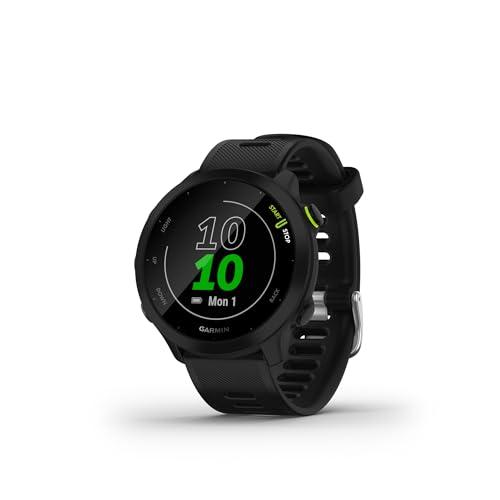
The 55's memory-in-pixel display is the reason its battery lasts so long. It reflects sunlight rather than fighting it, so pace and heart rate stay readable at midday in July, but indoors it looks flat and a little washed out, and at 208 x 208 pixels the fonts are chunky. You control everything with five buttons.
The 165's AMOLED panel is a different class of screen. It's larger at 1.2in, packs 390 x 390 pixels, and Garmin adds touch on top of the same five buttons, which matters because touchscreens and rain don't mix. You can lock the touch during runs and use it purely by buttons. An optional always-on mode keeps the face lit, though it costs battery.
Garmin rates the 55 at up to 2 weeks in smartwatch mode and up to 20 hours with GPS running. The 165 drops to up to 11 days as a smartwatch and up to 19 hours with GPS-only tracking, falling to 17 hours if you switch on all satellite systems.
In practice the GPS figures are close enough that neither watch will die during a marathon. The smartwatch gap is the real one: three or four extra days between charges on the 55. The 165 claws some of that back with a battery saver mode Garmin rates at up to 20 days, and the AMOLED drains faster if you leave it always on, so set it to raise-to-wake if battery matters to you.
Both watches give you the running basics Garmin does well: GPS pace and distance, VO2 max estimates, race predictor, PacePro pacing, Garmin Coach plans and daily suggested workouts. The 55's version of suggested workouts is listed by Garmin as "limited", though, and that's a fair summary of the whole training side.
The 165 adds HRV status, which tracks your overnight heart rate variability against your own baseline, and a morning report that pulls sleep, recovery and HRV into one screen when you wake. It also gets Training Effect labels so you can see whether a run built aerobic base or pushed your anaerobic system, plus running power and a course- and weather-adjusted race predictor.
How much should you care about HRV? It's useful for spotting when you're run down, but don't expect miracles: a 2021 meta-analysis found HRV-guided training improved fitness and endurance performance only by a small, non-significant margin compared with a fixed plan. Treat it as a sanity check rather than a coach.
The barometric altimeter is the sleeper feature. The 55 estimates elevation from GPS, which wobbles badly on hilly routes; the 165 measures air pressure, so your climbing totals on a Peak District loop are far more believable.
The 55 handles notifications, controls the music on your phone and offers incident detection, which messages a contact with your location if the watch thinks you've fallen during a run. It lacks Garmin Pay and has no Pulse Ox sensor.
The 165 has both. Garmin Pay lets you tap for a coffee mid-run with no phone or card, and Pulse Ox gives spot checks, overnight readings or all-day tracking of blood oxygen. Neither is essential, though paying from the wrist is the one we'd miss first on a long Sunday run.
Music is where the 165 range splits. Only the Forerunner 165 Music stores songs, with 4GB of memory and playlists from Spotify, Deezer, Amazon Music or YouTube Music (subscription required). Running with music playing over Bluetooth headphones costs a lot of battery: Garmin quotes up to 7 hours in GPS-only mode, or 6.5 hours with all systems. At £185 when we checked, it's £50 more than the standard 165. Our Forerunner 165 Music review covers that edition in detail.
Check Forerunner 165 Music price on AmazonThese two are almost the same size on the wrist. The 165 is 43mm across against 42mm for the 55, both are 11.6mm thick, and the 165 weighs 39g to the 55's 37g. Both fit wrists from 126 to 203mm, both use standard 20mm quick-release straps, and both carry a 5 ATM water rating that covers pool swimming. If you sleep in your watch, you won't feel a difference.
Buy the Forerunner 55 if you're new to running, want a GPS watch for parkrun and the odd 10K, and like the idea of charging it twice a month. It's also the safer pick for someone who finds touchscreens fiddly. Our Forerunner 55 review goes through it on its own terms.
Buy the Forerunner 165 if you train regularly, run hilly routes, want HRV and recovery data, or would use contactless payments. With only about £21 between them at the time of writing, the 165 is the one we'd recommend to most people. If prices shift and the gap opens back up past £60 or so, the 55 becomes a much stronger value case.
Look further up the range if you need multi-band GPS for accuracy under trees and between tall buildings, or features like Training Readiness. Our Forerunner 255 vs 265 comparison is the next step, and if you're open to other brands, Coros vs Garmin is worth a read for battery-first runners.
For most runners, yes. At the prices we checked in November 2026 the gap was only about £21 (£113.79 against £135), and that buys an AMOLED touchscreen, HRV status, a morning report, Garmin Pay, Pulse Ox and a barometric altimeter. The 55 only wins if you value its two-week battery or simply want the cheapest Garmin that tracks a run properly.
The Forerunner 55. Garmin rates it at up to 2 weeks in smartwatch mode and up to 20 hours with GPS. The 165 manages up to 11 days as a smartwatch and up to 19 hours in GPS-only mode, or 17 hours using all satellite systems. It also has a battery saver mode that stretches smartwatch use to around 20 days.
No. Garmin Pay contactless payments arrive on the Forerunner 165, along with Pulse Ox blood oxygen tracking and HRV status. If you want to leave your card at home on a long run and still buy a drink, the 55 can't do it.
Only the Forerunner 165 Music edition stores songs, with 4GB of memory and support for Spotify, Deezer, Amazon Music and YouTube Music playlists (subscription required). The standard 165 and the 55 can only control music playing on your phone.
No. The 55 uses five physical buttons and a 1.04in memory-in-pixel display, which is easy to read in bright sun but looks dull indoors. The 165 adds a 1.2in AMOLED touchscreen while keeping the same five-button layout, so you can still run it entirely by buttons with sweaty or gloved hands.
Buy the standard 165 unless you'll actually run phone-free with headphones. The Music edition cost about £50 more when we checked (£185 against £135), and playing music cuts GPS battery to roughly 7 hours, so it suits people who train with a playlist every time.
Garmin Forerunner 55 review for late 2026: two-week battery, 20h GPS, PacePro and suggested workouts for about £114, plus what it lacks against the 165.
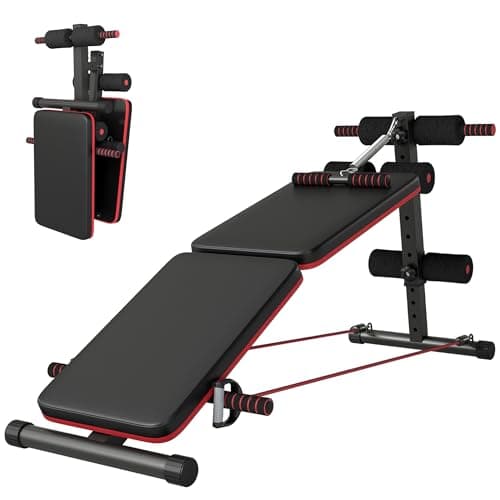
The best sit up benches in the UK for 2026, from a foldable sit up bench that hides under the bed to a 200kg-rated decline station. Weight limits, sizes and honest picks.
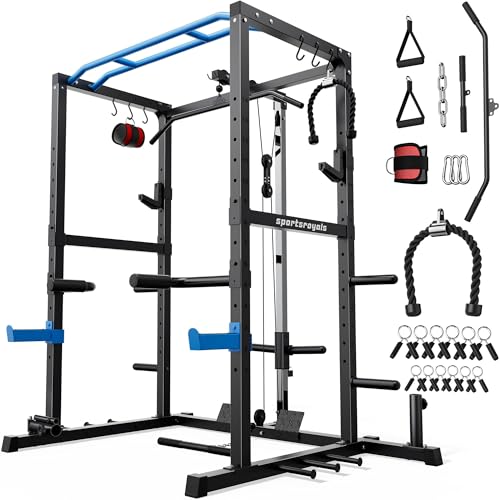
SPORTSROYALS power rack review: 50mm 1.5mm steel, 14 J-hook heights, a plate-loaded lat pulldown and low row, the 210cm height and who should skip it.
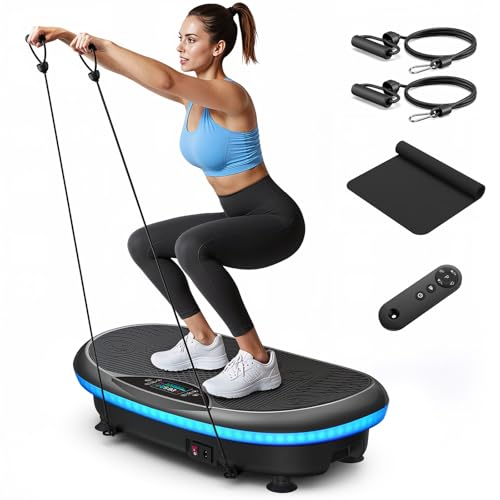
Our MERACH CV55 4D vibration plate review: three motors, 120 speeds, 200kg limit and Bluetooth for £180, plus what vibration training can really do.
Best Exercise is a participant in the Amazon EU Associates Programme, an affiliate advertising programme designed to provide a means for sites to earn advertising fees by advertising and linking to Amazon.co.uk. As an Amazon Associate we earn from qualifying purchases. This comes at no extra cost to you and never influences our independent reviews or rankings.