Nutrition
Can You Mix Creatine With a Protein Shake? Yes, Here's How
Yes, you can mix creatine with a protein shake. How to stir creatine into whey without grit, hot vs cold liquids, how long it keeps once mixed and what the research says.

By Declan Hallwood, Nutrition & Supplements Editor · Updated 24 November 2026
Yes, you can take creatine before bed. Creatine monohydrate has no caffeine in it, it doesn't act like a stimulant, and because it works by gradually saturating your muscles over weeks, the time of day you swallow it makes very little difference. If a glass of water and a scoop at 10pm is the habit you'll actually keep, that's a perfectly good routine. The research on creatine and sleep is small, but none of it suggests a night-time dose will wreck your sleep, and a couple of trials hint at the opposite.
Creatine isn't a pre-workout. It raises the amount of phosphocreatine stored inside your muscle cells, which your body uses to regenerate energy during short, hard efforts like a heavy set or a sprint. That store fills slowly: around 3g to 5g a day saturates your muscles in roughly three to four weeks, and once it's full, each daily dose is a top-up rather than a hit.
The International Society of Sports Nutrition's position stand describes this loading and maintenance approach and concludes creatine monohydrate is safe and well tolerated at these doses (ISSN position stand, 2017). Nothing in the guidance ties the benefit to a particular hour.
There is a small, mixed body of research comparing pre-workout and post-workout doses, and we've covered it in detail in our guide to taking creatine before or after a workout. The short version is that the differences are tiny and inconsistent. Bedtime sits outside that debate entirely, and that's fine, because the thing that actually decides your results is whether you take it every day.
The rule that matters more than timing
Pick one time you'll never forget and attach creatine to it. For plenty of people that's brushing their teeth at night. Daily consistency beats any timing strategy by a wide margin.
Pure creatine monohydrate shouldn't, and there's no plausible reason it would in the way coffee does. Caffeine keeps you up by blocking adenosine receptors in the brain; creatine doesn't do that.
When people say creatine kept them awake, the culprit is usually something else in the tub. Some flavoured creatine products and "creatine plus" blends add caffeine or other stimulants, and plenty of pre-workouts combine creatine with a hefty dose of caffeine. A pre-workout at 9pm will absolutely cost you sleep, and our piece on how long pre-workout lasts explains why. A plain, unflavoured monohydrate lists one ingredient, so read the label before blaming the creatine.
This is a young area with small studies, so treat everything below as early evidence rather than settled fact.
Sleep duration in women. A 2024 double-blind trial gave 21 naturally menstruating women either 5g of creatine or a placebo daily for six weeks while they resistance trained twice a week. Sleep was tracked nightly with an Oura ring. The creatine group slept significantly longer on training days than the placebo group, but there was no change in overall sleep quality scores across the six weeks (Aguiar Bonfim Cruz et al., 2024). One author has industry ties to a creatine manufacturer, which the paper declares.
Sleep quality in men during loading. A 2025 crossover trial in 14 physically active men used a seven day loading phase of 20g a day. Participants rated their sleep quality higher on creatine than placebo, yet wrist actigraphy showed no differences in how long it took them to fall asleep, sleep efficiency or total sleep time (Ben Maaoui et al., 2025). So the men felt they slept better, but the objective measures didn't move.
Put those two together and the honest reading is this: at normal doses, creatine doesn't appear to harm sleep, and it might nudge some measures in a good direction. Neither study gave creatine specifically at bedtime, though, so they tell you about creatine and sleep in general, not about night-time dosing.
The study you've probably seen headlines about is different. Researchers in Germany gave volunteers a single large dose of creatine (0.35g per kilogram of bodyweight) during a night of sleep deprivation lasting around 21 hours, then scanned their brains and ran cognitive tests over the following hours. Compared with placebo, creatine improved processing speed and cognitive performance and shifted measures of brain energy metabolism (Gordji-Nejad et al., 2024).
Two caveats before anyone reaches for the tub after a late night. That dose works out at roughly 25g for a 70kg person, five times a normal serving, and the study measured how well tired people thought, not how well anyone slept. It's an interesting finding about brain energy under stress. It isn't evidence that creatine is a sleep aid, and it isn't a protocol to copy.
If you've decided bedtime suits you, a few practical points make it easier:
If a glass of water right before bed means a 3am trip to the loo, that's a reason to move your dose earlier in the evening, not a reason to worry about creatine.
Taking a pre-workout at night thinking it's "just creatine". Check the caffeine content. Stimulant blends belong in the morning or early afternoon.
Taking a huge dose because of the sleep deprivation headlines. A single 25g dose isn't how creatine is normally used, and once your muscles are saturated, taking more than the 3g to 5g maintenance dose adds nothing useful.
Expecting a sleep upgrade. The evidence for better sleep is thin, built on two small trials with mixed objective results. Take creatine for what it reliably does, which is help you train harder for short efforts.
Worrying about timing instead of consistency. Missing days hurts results; picking 9pm over 9am doesn't.
Any good plain monohydrate works. Myprotein's Impact Creatine is one of the cheapest well-made options in the UK, and we've gone through it in our Myprotein creatine review. For a broader comparison, including Creapure-certified options and gummies, see our list of the best creatine in the UK.
Check Myprotein Creatine price on AmazonFor more on supplements, diet and recovery, browse our nutrition hub.
Yes. Creatine monohydrate contains no caffeine or other stimulant, and it works by slowly filling your muscle stores over weeks, so a dose at 10pm does the same job as one at 10am. If bedtime is when you remember it, take it then.
Plain creatine monohydrate shouldn't. It isn't a stimulant, and the human trials that tracked sleep found no harm to sleep time or sleep efficiency. If you feel wired after taking it, check the label: some flavoured blends and pre-workouts add caffeine.
There are a few early hints, not a proven effect. A six week trial in women found longer sleep on training days with creatine, and a seven day loading trial in men found better self-rated sleep quality, but neither showed changes in objective measures like sleep efficiency across the board. Treat any sleep benefit as a possible bonus, not a reason to take it.
It isn't harmful, but a large dose on an empty stomach is the most common cause of the mild stomach upset some people get. If that happens, take it with your evening meal instead, or split the dose.
Take it every day, rest days included, at whatever time you'll stick to. Bedtime is fine. What matters is keeping your muscle stores topped up with roughly 3g to 5g daily.
Possibly, but not at the doses you'd normally take. The headline sleep deprivation study used a single dose of 0.35g per kilogram of bodyweight, which is around 25g for a 70kg person and far more than a standard 5g scoop. Don't copy that without medical advice.
Yes, you can mix creatine with a protein shake. How to stir creatine into whey without grit, hot vs cold liquids, how long it keeps once mixed and what the research says.
Creatine HCL vs monohydrate compared on the actual trials, absorption claims, bloating, dose and cost per gram. Why monohydrate still wins for most UK buyers.
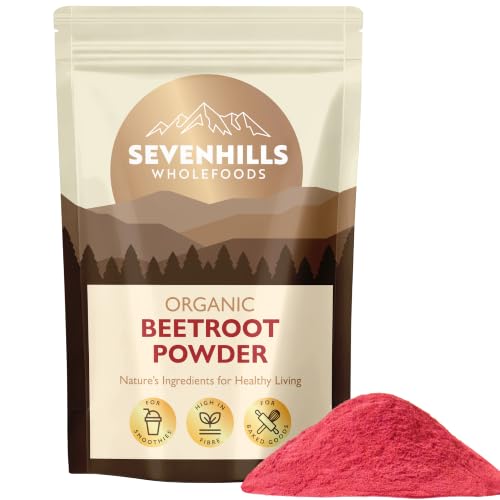
The best beetroot powder in the UK for 2026, with cost per serving and the awkward truth about nitrate content. Honest picks for pre-workout use, blood pressure and cooking.
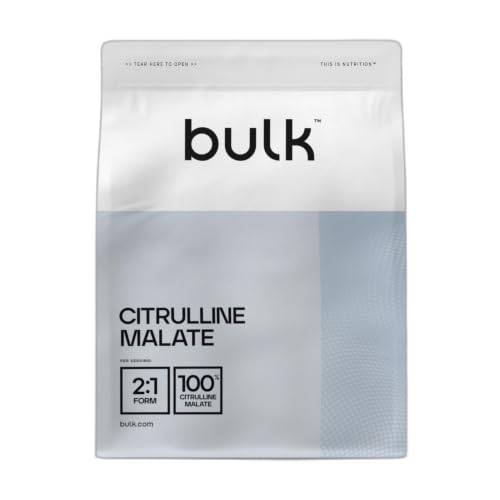
The best citrulline supplements on Amazon UK, including the best L-citrulline supplement if malate upsets you, plus what the research shows and how to dose it without wasting money.
Best Exercise is a participant in the Amazon EU Associates Programme, an affiliate advertising programme designed to provide a means for sites to earn advertising fees by advertising and linking to Amazon.co.uk. As an Amazon Associate we earn from qualifying purchases. This comes at no extra cost to you and never influences our independent reviews or rankings.