Nutrition
Can You Mix Creatine With a Protein Shake? Yes, Here's How
Yes, you can mix creatine with a protein shake. How to stir creatine into whey without grit, hot vs cold liquids, how long it keeps once mixed and what the research says.

By Declan Hallwood, Nutrition & Supplements Editor · Updated 24 November 2026
For most people, creatine monohydrate is the better choice. Creatine HCL (creatine hydrochloride) dissolves far more easily in water, but the two head-to-head trials we could find showed no extra strength or muscle gain from HCL, and the claims that you need a smaller dose and get less bloating don't have solid evidence behind them. Monohydrate costs less per gram, contains more creatine by weight and has the deeper research base. HCL is fine if you hate gritty drinks and don't mind paying more; it just isn't an upgrade.
| Creatine monohydrate | Creatine HCL | |
|---|---|---|
| Creatine by weight | About 88% | About 78% |
| Solubility in water | Low (often leaves grit) | Much higher (clears in water) |
| Typical daily dose | 3 to 5g | Brands suggest 1 to 2g (not backed by trials) |
| Research base | Hundreds of studies | A handful of small trials |
| Head-to-head result | Reference standard | No better in matched-dose RCTs |
| Cost per gram | Lowest of any form | Usually higher |
The creatine-by-weight figures come from a 2022 critical review of creatine forms by Richard Kreider, Ralf Jäger and Martin Purpura, which works through the bioavailability and efficacy claims for every major form on the market.
Creatine HCL is creatine bound to hydrochloric acid, making a salt. Once it's in your stomach, which is already very acidic, it splits back into creatine and chloride, so your body ends up with the same creatine molecule it gets from monohydrate. Monohydrate is creatine bound to a single water molecule. Neither form is "more natural"; the difference lies in how they behave in a glass and how much creatine each gram delivers.
The selling points for HCL usually run along these lines: it absorbs better, so you can take a smaller dose, and because you take less, you get less water retention and fewer stomach complaints. Each step depends on the one before it, so it's worth checking whether the first step holds up.
HCL really does dissolve better. The Kreider review cites lab work showing creatine HCL was about 37.9 times more soluble in water than monohydrate at 25°C. The review also flags a catch: that comparison measured HCL in a strongly acidic solution (pH 0.3) and monohydrate at pH 8.6, and the authors argue that better solubility in a drink "would have no effect on bioavailability" once it reaches your gut.
Monohydrate already absorbs very well from the gut. The problem it has is cosmetic: stir 5g into cold water and you'll see a cloudy drink with some sediment at the bottom. That's annoying, and it's the most legitimate reason anyone has to buy HCL. If you mix monohydrate into a protein shake, warm water or a smoothie, most of that grit stops being an issue.
The bit that matters is whether HCL builds more strength or muscle than monohydrate when people take it for weeks. Two recent randomised, placebo-controlled trials tested exactly that.
Eghbali, Arazi and Suzuki (2024). Forty young adults new to resistance training lifted three times a week for eight weeks and took either HCL, monohydrate with a loading phase, monohydrate without loading, or a placebo. Both HCL and monohydrate groups gained more bench press and leg press strength, more muscle cross-sectional area and lost more body fat than placebo. HCL didn't beat either monohydrate group on any outcome, and the authors concluded that HCL "does not seem to have more effects" than monohydrate while costing considerably more (Physiological Research, 2024). This is the study that tends to show up when you search the topic.
Londoño-Velásquez and colleagues (2025). Thirty-one elite handball and softball players took 5g a day of monohydrate, 5g of HCL or a placebo for eight weeks in a triple-blind design. There were no significant differences between groups on any strength or body composition measure, and only the monohydrate group showed a significant rise in fat-free mass index (Journal of the International Society of Sports Nutrition, 2025). The authors went as far as calling claims of HCL superiority "unfounded and misleading".
Two caveats are fair. Both trials are small, and the 2025 paper lists authors with advisory roles on a board sponsored by monohydrate manufacturers. Even so, the pattern lines up with the Kreider review's broader finding that there's no evidence HCL is absorbed better in humans, retained better in muscle, or effective at lower doses than standard monohydrate protocols. HCL works; it just works about as well as monohydrate, not better.
This is where the HCL pitch is weakest. The idea is that because HCL dissolves so well, a 1 to 2g dose does what 5g of monohydrate does. No trial we found tested that properly and showed it. The Kreider review summarises one trial in which 3g a day of HCL didn't beat 3g or 20g a day of monohydrate on performance or hormonal responses, and it states there's no evidence lower HCL doses match standard monohydrate dosing.
Weight matters here too. HCL is about 78% creatine and monohydrate about 88%, so gram for gram, HCL gives you slightly less of the active compound. A 1.5g HCL scoop delivers roughly 1.2g of creatine, which is well under the 3 to 5g a day used in most of the research.
As for bloating, monohydrate does cause your muscles to hold a little extra water. The ISSN position stand on creatine reports short-term fluid retention of about 0.5 to 1 litre in early loading studies, and names weight gain as the only consistently reported side effect. Most of that comes from loading at around 20g a day. Skip the load, take 3 to 5g of monohydrate daily and your muscles reach saturation over three to four weeks with far less of the puffy feeling people complain about. No study has shown that HCL causes less water retention at an equal dose of creatine. Our guide on how much water to drink with creatine covers the hydration side.
This is monohydrate's easiest win. When we reviewed Bulk Creatine Monohydrate earlier this year, the 500g tub worked out at around 15p per 5g serving, and Myprotein's Impact Creatine is similarly cheap per serving on its larger tubs. Those prices move, so check current listings.
We haven't tracked UK creatine HCL prices closely enough to give you a reliable per-gram figure, and they vary a lot by brand. What we can say is that the 2024 trial authors describe HCL as considerably more expensive than monohydrate, and that pattern matches what you'll see on most UK shelves. When you compare, work out the price per gram of creatine, not per serving. HCL brands often quote small serving sizes, which makes a tub look like it lasts longer than it would at an evidence-based dose.
If you want plain, cheap monohydrate from a brand we've already looked at, Myprotein's unflavoured powder is a sensible starting point.
Check Myprotein Creatine price on AmazonThere are a couple of reasonable cases. If you genuinely can't stand the texture of monohydrate in water and won't take it consistently because of that, a form you'll actually take beats one sitting in the cupboard. And some people report stomach upset with monohydrate, though splitting the dose or taking it with food usually solves that first. If you go the HCL route, don't take the label's 1g suggestion at face value; aim for enough to deliver around 3 to 5g of creatine a day.
If texture is the real issue, gummies are another option, with their own catches on dose and price. We compare them in creatine gummies vs powder.
Buy creatine monohydrate. It's the form behind almost all the research, it costs the least per gram, and the 2024 and 2025 head-to-head trials both found HCL no better at matched doses. HCL's solubility advantage is real and you'll notice it in the glass, but your muscles don't, and the smaller-dose and no-bloating claims remain marketing rather than findings. Take 3 to 5g of monohydrate a day, skip the loading phase if water retention worries you, and spend the difference on food. Our best creatine UK roundup lists the monohydrate tubs we rate, and the wider nutrition section covers what to pair with it.
No, not on the current evidence. Two randomised, placebo-controlled trials published in 2024 and 2025 gave people either creatine HCL or creatine monohydrate at matched doses for eight weeks, and neither found HCL produced better strength, muscle or body composition results. Monohydrate is also cheaper per gram and has decades more research behind it.
That's the main marketing claim, but no trial has shown it. Monohydrate can cause a small amount of extra water to be held in muscle, mostly during a high-dose loading phase, and the ISSN puts that at roughly 0.5 to 1 litre in early loading studies. If bloating bothers you, skipping the loading phase and taking 3 to 5g of monohydrate a day is the simpler fix.
Brands often suggest 1 to 2g of HCL instead of 3 to 5g of monohydrate, but there's no good evidence that a smaller HCL dose does the same job. A 2022 review by Kreider and colleagues found no evidence that lower doses of HCL match standard monohydrate dosing. HCL also contains slightly less creatine by weight (about 78 percent versus 88 percent for monohydrate).
Yes, and that part is real. Lab work found creatine HCL roughly 38 times more soluble in water than monohydrate, so it dissolves into a clear drink with no grit. Better solubility in a glass doesn't mean your muscles end up holding more creatine, though, and that is the measure that matters.
Yes, several sports nutrition brands sell creatine HCL powder and capsules in the UK. It usually costs more per gram than plain monohydrate, and prices move around, so compare the price per gram of actual creatine rather than per serving, since HCL servings are often much smaller.
Yes, you can mix creatine with a protein shake. How to stir creatine into whey without grit, hot vs cold liquids, how long it keeps once mixed and what the research says.
Can you take creatine before bed? Yes. It has no caffeine, timing barely matters, and the small amount of sleep research is reassuring. Here's what the studies show.
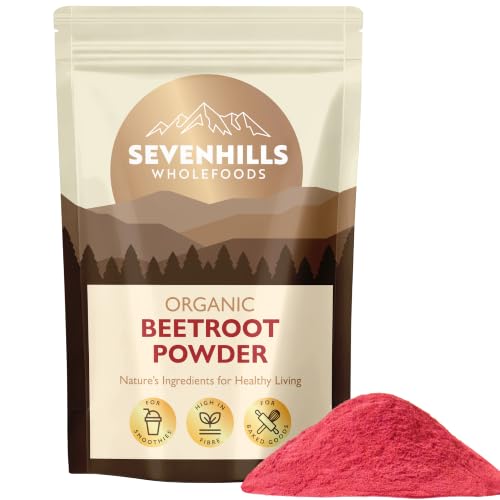
The best beetroot powder in the UK for 2026, with cost per serving and the awkward truth about nitrate content. Honest picks for pre-workout use, blood pressure and cooking.
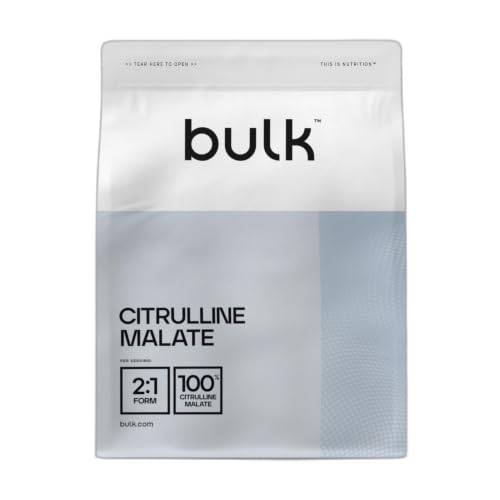
The best citrulline supplements on Amazon UK, including the best L-citrulline supplement if malate upsets you, plus what the research shows and how to dose it without wasting money.
Best Exercise is a participant in the Amazon EU Associates Programme, an affiliate advertising programme designed to provide a means for sites to earn advertising fees by advertising and linking to Amazon.co.uk. As an Amazon Associate we earn from qualifying purchases. This comes at no extra cost to you and never influences our independent reviews or rankings.