Nutrition
Creatine Before Bed: Is It OK, and Will It Affect Your Sleep?
Can you take creatine before bed? Yes. It has no caffeine, timing barely matters, and the small amount of sleep research is reassuring. Here's what the studies show.

By Declan Hallwood, Nutrition & Supplements Editor · Updated 24 November 2026
Yes, you can mix creatine with a protein shake, and for most people it's the most convenient way to take it. Creatine monohydrate is tasteless, protein doesn't block its absorption, and taking the two together may even help your muscles hold on to slightly more creatine. The only real catches are practical: monohydrate doesn't dissolve well in cold liquid, so you'll get some grit, and once it's dissolved it slowly breaks down, so you shouldn't mix a shake and leave it for a day. Here's how to do it properly.
Creatine and protein powder do completely different jobs. Creatine tops up the phosphocreatine stores in your muscles, which helps you squeeze out an extra rep or two in hard sets; protein supplies the amino acids you need to build and repair muscle. Neither gets in the way of the other.
The ISSN position stand on creatine (Kreider and colleagues, 2017) notes that taking creatine alongside carbohydrate, or carbohydrate and protein, has been reported to promote greater creatine retention more consistently. The main study behind that is a 2000 Nottingham trial by Steenge, Simpson and Greenhaff. Twelve men took 5g of creatine four times in a day with different drinks, and when the creatine came with roughly 50g of protein and 47g of carbohydrate, whole-body creatine retention rose by about 25% compared with the low-carbohydrate control. The protein-plus-carb drink matched the effect of almost 100g of carbohydrate alone, mainly because both raised insulin, which helps drive creatine into muscle.
Keep that in proportion, though. It was a small, short study, and the effect faded within the first 24 hours as muscle stores filled up. A typical scoop of whey in water gives you 20 to 25g of protein and very little carbohydrate, which is a lot less than the trial used. So a protein shake is a perfectly good vehicle for creatine, but it isn't a secret multiplier. Taking it every day matters far more than what you take it with.
Creatine monohydrate is the form with by far the most research behind it, and it's what nearly every tub in our best creatine UK guide contains. Its one drawback is that it isn't very soluble.
A 2011 review in Amino Acids by Jäger and colleagues gives the figures: a litre of water dissolves about 6g of creatine at 4°C (fridge cold), 14g at 20°C (room temperature) and 34g at 50°C. Work that through for a normal 300ml shake and you can see the problem. Ice-cold, it will only fully dissolve around 2g; at room temperature, a little over 4g. A 5g scoop in a cold shake is always going to leave some sediment, and that's normal rather than a sign of a bad product.
What works:
If you simply can't get on with the texture, gummies are an option, though they cost more per gram of creatine; we cover the trade-offs in creatine gummies vs powder.
How much to add
Most people need 3 to 5g of creatine monohydrate a day, according to the ISSN. That's usually one level scoop, or about a heaped teaspoon. A loading phase (around 20g a day split into four doses for five to seven days) fills your muscles faster, but it isn't necessary; you'll get to the same place in about a month on the daily dose.
Temperature affects two things, and they pull in opposite directions.
Warm liquid dissolves creatine much better, which is why it disappears into a hot chocolate protein drink or a protein coffee but sits at the bottom of an iced shake. Heat also speeds up the slow chemical change that turns creatine into creatinine, its waste product, which your muscles can't use. Jäger's review puts it simply: the lower the pH and the higher the temperature, the faster creatine degrades in solution.
In practice, a hot drink you finish in ten or fifteen minutes is fine. Leaving creatine in a hot drink for hours is what you want to avoid. Don't bake it into protein pancakes or flapjacks either, and assume all of it has survived; we couldn't find good data on how much creatine makes it through baking, so a shake or a glass of water is the safer bet.
As dry powder, creatine monohydrate barely changes at all: the Jäger review reports no measurable creatinine after more than three years stored at 40°C. Once it's dissolved, it's a different story.
The same review summarises work by Howard and Harris showing creatine is relatively stable in solution at neutral pH (6.5 to 7.5), but at 25°C over three days it broke down by 4% at pH 5.5, 12% at pH 4.5 and 21% at pH 3.5. The authors' advice is that creatine dissolved in water should be drunk straight away, or kept cold to slow the breakdown if you can't.
What that means for your shake:
One reassuring point: stomach acid isn't the same problem. The review notes that very low pH (under about 2.5) actually slows the breakdown, and that conversion to creatinine in the gut is minimal. The issue is a drink sitting around for days, not the time it spends in your stomach.
Not really. Whey concentrate, whey isolate, casein, pea or soy all work, because creatine doesn't react with any of them. Pick the protein you'd buy anyway; our best protein powder UK roundup covers the options at different budgets.
Flavoured shakes are actually the easiest place to hide creatine. Unflavoured monohydrate has almost no taste, so a chocolate or vanilla whey covers any faint chalkiness completely, which plain water doesn't. The cheap, plain tubs do this job as well as anything; Bulk's Creatine Monohydrate is unflavoured, comes in big tubs and costs pennies per serving.
Check Bulk Creatine price on AmazonMixing it the night before and leaving it on the side. A day at room temperature won't destroy it, but it's an easy way to lose a few per cent for no reason, especially in anything acidic. Mix it fresh.
Leaving the sediment. Because you're over the solubility limit in a cold shake, some creatine always sits at the bottom. Swirl and drink it.
Only taking creatine on training days. Creatine works by building up in your muscles over weeks, so skipping it on rest days slows that down. If your protein shake is a training-day-only habit, take creatine in water, juice (drunk promptly) or food on the other days.
Expecting the protein to do more than it can. The Nottingham study used much more protein and carbohydrate than a typical shake, so don't buy a mass gainer just to "activate" your creatine. Consistency matters far more than the vehicle.
Yes. Creatine monohydrate and protein powder don't interfere with each other, and adding your daily 3 to 5g of creatine to a whey or plant protein shake is one of the easiest ways to take it consistently. Stir or shake it well and drink it fairly soon after mixing.
No. There's no evidence that protein blocks creatine absorption. A 2000 study from the University of Nottingham found that taking creatine with about 50g of protein and 47g of carbohydrate increased whole-body creatine retention by roughly 25% compared with creatine taken with very little carbohydrate, so protein, if anything, helps a little.
Creatine slowly breaks down into creatinine once it's dissolved, and the process runs faster in warm or acidic liquids. A milk or whey shake made in the morning and drunk within a few hours is fine, especially if it stays in the fridge. Avoid mixing a batch of shakes days in advance.
You can. Creatine dissolves far better in warm liquid than cold, so a hot chocolate protein drink or coffee will leave less grit. Heat also speeds up its breakdown to creatinine, so drink it while it's warm rather than letting it sit for hours.
Yes, but drink it quickly. Many clear whey products are deliberately made acidic to give them a juice-like taste, and creatine degrades faster at a lower pH. Mix it, drink it, and don't leave it in your bag all afternoon.
Can you take creatine before bed? Yes. It has no caffeine, timing barely matters, and the small amount of sleep research is reassuring. Here's what the studies show.
Creatine HCL vs monohydrate compared on the actual trials, absorption claims, bloating, dose and cost per gram. Why monohydrate still wins for most UK buyers.
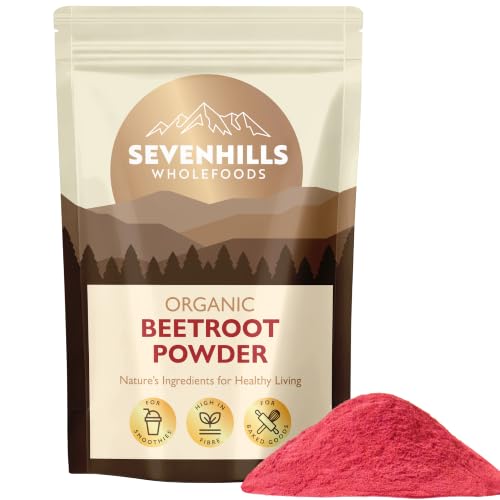
The best beetroot powder in the UK for 2026, with cost per serving and the awkward truth about nitrate content. Honest picks for pre-workout use, blood pressure and cooking.
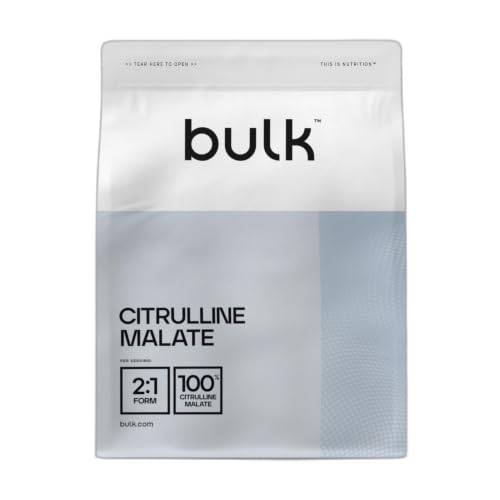
The best citrulline supplements on Amazon UK, including the best L-citrulline supplement if malate upsets you, plus what the research shows and how to dose it without wasting money.
Best Exercise is a participant in the Amazon EU Associates Programme, an affiliate advertising programme designed to provide a means for sites to earn advertising fees by advertising and linking to Amazon.co.uk. As an Amazon Associate we earn from qualifying purchases. This comes at no extra cost to you and never influences our independent reviews or rankings.