Nutrition
Huel Alternative: Cheaper, Higher Protein and Less Processed Options
Looking for a Huel alternative? We match the best options to your reason for leaving, from cheaper and lower calorie shakes to milk-based drinks and a DIY recipe.

By Declan Hallwood, Nutrition & Supplements Editor · Updated 17 November 2026
Yes, Huel is good for you if you use it the way most people actually do: as one or two meals a day, with real food making up the rest. A serving is nutritionally complete on paper, high in protein and fibre, low in sugar, and almost certainly a better lunch than a meal deal or nothing at all. Where we draw the line is using it as your entire diet for months. The evidence for that is thin, a big chunk of it was paid for by Huel, and a shake can't replace the wider mix of plant foods that whole-food diets give you.
Below is the reasoning behind that verdict, including the bits Huel's marketing skips over.
Huel's current high-protein formula is Black Edition. Huel's UK product page lists each 90g serving (two scoops in 500ml of water) at:
The main ingredients are pea protein, flaxseed, tapioca, brown rice protein and coconut. It's vegan, gluten-free and oat-free. Huel notes that exact nutrition varies by flavour, so check the label of the one you buy.
Standard Huel Powder is a slightly different recipe built on oats, with 30g protein per 400kcal meal. We compare the two formats and the bottled version in our Huel Powder vs Ready-to-drink guide.
The headline numbers are genuinely decent. Forty grams of protein in one meal is more than most people get at breakfast, and 8g of fibre is more than a quarter of the 30g a day the NHS recommends (most UK adults manage about 20g). If your realistic alternative is a croissant and a flat white, Huel wins on nutrition by a distance.
Check Huel Black Edition Powder on Amazonaround £33.90Yes, and there's no point pretending otherwise. NOVA, the classification system behind most ultra-processed food (UPF) research, puts foods in group 4 when they're industrial formulations made mostly from refined substances such as protein isolates, starches and flavourings. Huel fits that description by design. The NHS describes UPFs as foods containing ingredients you wouldn't usually have at home, and pea protein isolate is a good example.
So why don't we think that settles the question?
NOVA measures processing, not nutrition. Under NOVA, a fortified high-fibre shake with 40g of protein sits in the same group as fizzy drinks and packaged cakes. Wholemeal sliced bread and baked beans are often UPFs too, and the NHS itself says those can be part of a healthy diet.
The research is observational and dominated by junk. A 2024 BMJ umbrella review covering almost 10 million people found higher UPF intake linked to 32 health outcomes, including type 2 diabetes, heart disease deaths and anxiety. Those are real associations worth taking seriously. But they come from studies of whole diets, where the UPFs people eat are typically things like sweets, sugary drinks, crisps and processed meat. They show correlation, many of the findings were graded low or very low quality, and none of them tested meal shakes.
Nobody yet knows why UPFs are linked to harm. The NHS states plainly that it isn't known whether ultra-processed foods are unhealthy because of the processing or because of the calories, saturated fat, salt and sugar they contain. Huel is low in sugar and saturated fat, which removes the most obvious suspects. It doesn't rule out effects from additives or from how quickly a liquid meal gets eaten, and those questions are still open.
Our position: Huel being ultra-processed is a fair reason not to live on it, and a weak reason to avoid it entirely. Replacing a takeaway or a skipped meal with Huel is very unlikely to harm you. Replacing every meal of a varied diet with it removes the vegetables, beans, wholegrains and fruit that the UPF research keeps pointing back to.
Huel often points to a 2022 study in Frontiers in Nutrition when asked whether its product is healthy. Here's what it did, and what it didn't.
The study put 30 healthy adults on a diet of nothing but Huel powder for four weeks; 20 finished. By the end, blood levels of iron, vitamin B12, vitamin D and selenium had gone up, while HbA1c, total cholesterol, waist size and visceral fat had come down (PMC9315961). The authors concluded that four weeks of Huel-only eating didn't harm micronutrient status.
Now the caveats, which matter:
None of that makes the results false. It does mean the study supports "Huel won't cause deficiencies over a month" and nothing more. It tells you nothing about living on Huel for a year.
Huel says its current UK powders contain no artificial sweeteners; both the Black Edition and standard Powder product pages state this. Older Huel recipes were sweetened with sucralose, and some ready-to-drink products and older stock may still differ, so read the ingredients on whatever you buy. If you want to avoid sweeteners altogether, Huel sells an Unflavoured and Unsweetened version of Black Edition.
This is the most common complaint by a long way. Owners regularly report wind, bloating and looser stools in the first week or two, and it isn't hard to see why: two Black Edition shakes give you 16g or more of fibre before you've eaten anything else, which is close to the total daily intake of the average UK adult.
Ease in:
If you still feel rough after two or three weeks, stop. Some people simply don't get on with the pea protein or the fibre load, and there's no prize for pushing through.
Because Huel is formulated to hit daily mineral targets across a full day of servings, every shake contains a measurable amount of sodium. That's fine for one or two meals. If you're having three or four shakes and still eating bread, cheese or takeaways, add up the label figures, because adults should have no more than 6g of salt a day from all sources. Anyone told to watch their blood pressure should check the salt per serving for their flavour before making Huel a daily habit.
Huel's own guidance for Black Edition says it isn't suitable for children under 6 or people with PKU, and that during pregnancy and breastfeeding it should be limited to one serving a day. Beyond that, we'd ask your GP before using Huel regularly if any of these apply:
Pregnancy and breastfeeding. Stick to Huel's one-a-day limit and make sure the rest of your diet covers your midwife's advice on folic acid and vitamin D.
Kidney disease. A 40g protein shake plus added minerals such as potassium and phosphorus is a lot to land on kidneys that are already struggling. People with chronic kidney disease are often given personal targets for these, so speak to your renal team first.
Under-18s. Huel says older children can have it as part of a balanced diet but shouldn't rely on it as their only source of nutrition. Teenagers are still growing and benefit from a wide range of foods; we wouldn't let a shake become a regular meal without a GP's view.
Eating disorders. Huel says people in recovery should talk to their clinician first, and we agree. Fixed-calorie shakes can be useful in a supervised plan, but they can also feed restriction or calorie-counting habits.
Diabetes and regular medication. Check the carbohydrate and sugar figures for your flavour, and if you take prescription medicines, ask your GP or pharmacist whether a fortified meal shake could interact with them.
It can, and this is where the evidence is stronger than for most nutrition claims. A 2019 meta-analysis by Oxford researchers pooled 23 randomised trials with 7,884 adults who were overweight or obese (Astbury et al.). At one year, people on diets that included meal replacements lost about 1.4kg more than those on other diets. With extra support from a professional, the gap grew to over 6kg. For full transparency, some of the authors held research grants from meal-replacement and weight-loss companies, which the paper declares.
Those trials weren't on Huel specifically, but the mechanism is the same: a fixed 400kcal meal removes guesswork and portion creep. Huel isn't a low-calorie diet product, though. Two scoops is a proper meal, and if you add a banana and oat milk you can push one shake past 600kcal without noticing. If weight loss is the main goal, our best protein shakes for weight loss guide compares lower-calorie options.
Huel is a nutritionally solid convenience food. Used for one or two meals a day by a healthy adult, the protein, fibre and full vitamin and mineral profile make it a better choice than most of what people grab when they're busy. The ultra-processed label is accurate but doesn't, on current evidence, make an occasional shake harmful.
We wouldn't use it as a total diet replacement long term. The only trial of Huel-only eating was four weeks, small and industry-funded, and you'd be giving up the variety of whole plant foods that the wider research still favours. Treat Huel as a well-built meal you reach for when cooking isn't happening, not as a replacement for food.
If you're weighing it up against other brands, see our Huel review, our roundup of the best Huel alternatives and our look at whether yfood is healthy.
For most healthy adults, yes, as one or two meals a day alongside normal food. Each 90g serving of Huel Black Edition gives 400kcal, 40g protein, at least 8g fibre and all 26 essential vitamins and minerals according to Huel. What we wouldn't do is drink it for every meal for months on end: the only published trial of Huel-only eating lasted four weeks, had 20 finishers and was paid for by Huel.
Yes. Under the NOVA system used in most ultra-processed food research, Huel sits in group 4 because it's an industrial blend of refined ingredients like pea protein, tapioca and flavourings. That label tells you how it's made, not what nutrients it has. The research linking ultra-processed food to poor health is mostly observational and dominated by sugary drinks, snacks and processed meat, so it can't tell you much about a high-protein, high-fibre shake specifically.
It can at first. Huel is high in fibre, and jumping from a low-fibre diet to several shakes a day often causes wind and bloating for the first week or two. Start with one serving a day, drink plenty of water and build up slowly. If symptoms don't settle after a couple of weeks, Huel may simply not suit your gut.
You can, because a 400kcal shake makes calorie control simple. An Oxford meta-analysis of 23 trials found that diets using meal replacements led to more weight loss at one year than other diets, by about 1.4kg on average and over 6kg when paired with strong support. Huel is not magic, though: if the rest of your day goes over your calorie needs, you won't lose weight.
Huel says Black Edition isn't suitable for children under 6 or anyone with PKU, and should be limited to one serving a day in pregnancy and breastfeeding. Speak to your GP first if you have kidney disease, diabetes, a history of eating disorders, take regular medication, or want to give it to a teenager as a regular meal.
Looking for a Huel alternative? We match the best options to your reason for leaving, from cheaper and lower calorie shakes to milk-based drinks and a DIY recipe.
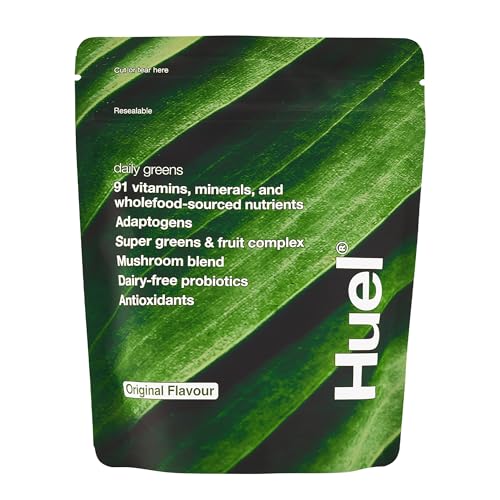
Our Huel Daily Greens review covers the 91-ingredient formula, probiotic doses, vitamin levels, taste and price per serving, plus what greens powders can't do.
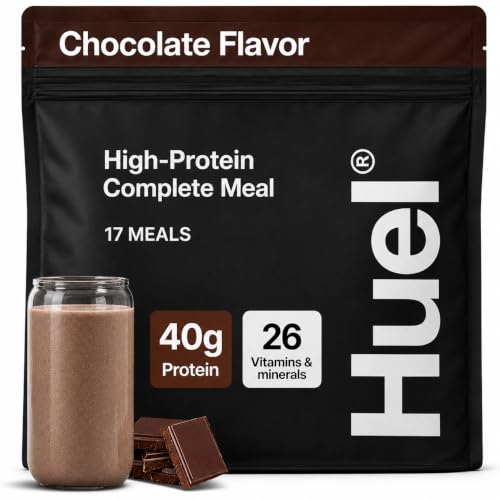
Our Huel review of the Black Edition powder: 40g protein, 9.7g fibre and 400kcal per meal for about £1.99, plus Ready-to-drink, taste reports, cost and who it suits.
Huel vs yfood compared bottle for bottle: calories, protein, sugar, fibre, vitamins, vegan status and UK price per bottle, with a clear verdict on which to buy.
Best Exercise is a participant in the Amazon EU Associates Programme, an affiliate advertising programme designed to provide a means for sites to earn advertising fees by advertising and linking to Amazon.co.uk. As an Amazon Associate we earn from qualifying purchases. This comes at no extra cost to you and never influences our independent reviews or rankings.