Nutrition
Huel Alternative: Cheaper, Higher Protein and Less Processed Options
Looking for a Huel alternative? We match the best options to your reason for leaving, from cheaper and lower calorie shakes to milk-based drinks and a DIY recipe.

By Declan Hallwood, Nutrition & Supplements Editor · Updated 17 November 2026
We may earn a commission from qualifying purchases made through links on this page, at no extra cost to you. This never affects our ratings.
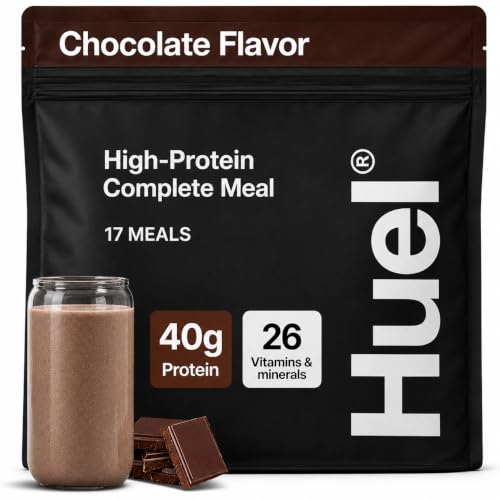
Huel Black Edition is the version of Huel we'd point most adults towards. Each 400kcal meal carries 40g of plant protein, 9.7g of fibre and 4g of sugars, and at around £33.90 for 17 meals on Amazon UK at the time of writing it works out at about £1.99 a meal. That's cheaper than almost any lunch you can buy on a high street. The trade-offs are taste (stevia isn't for everyone), texture, and the simple fact that drinking a shake is a less satisfying experience than eating food.
This review covers Huel's core meal-replacement range with Black Edition Powder as the main product, and the standard Ready-to-drink as the grab-and-go alternative. If you're weighing up powder against bottles in detail, our Huel Powder vs Ready-to-drink comparison does the full side-by-side, so we won't repeat it here.
How we review
This is a research-based review. Nutrition figures come from the chocolate nutrition label on Huel's Black Edition product page, checked on 17 November 2026, and prices are Amazon UK and huel.com prices on that date. We haven't run our own long-term taste trial of this exact product, so comments on flavour and texture reflect consistent patterns in owner reviews rather than our own tasting. Health claims are linked to the NHS or peer-reviewed research.
Huel (a contraction of "human fuel") sells powdered and bottled meals designed to give you a nutritionally complete 400kcal serving: protein, carbohydrate, fat, fibre and all 26 vitamins and minerals Huel lists on the label. You add water, shake, and drink.
The range has grown a lot. Standard Huel Powder is built on oat flour and pea protein. Black Edition swaps the oats for a lower-carb base of pea protein, ground flaxseed and brown rice protein, with tapioca starch and cocoa further down the list. Huel describes it as having more protein, fewer carbs and no artificial sweeteners, and the label backs that up: the chocolate version is sweetened with steviol glycosides from stevia rather than sucralose.
Why lead with Black Edition rather than the original? Protein. At 40g per meal it makes Huel useful for people who train, and for anyone trying to stay full on fewer calories. Standard Powder's 30g is fine, but a third more protein for a similar price is hard to argue with.
Here's what one serving of chocolate Black Edition gives you, taken from Huel's label (two level scoops, 90g, mixed with 500ml of water).
| Energy | 400 kcal (1680 kJ) |
|---|---|
| Protein | 40 g |
| Carbohydrate | 17 g, of which sugars 4.0 g |
| Fibre | 9.7 g |
| Fat | 17 g, of which saturates 3.4 g |
| Omega-3 | 4.2 g |
| Salt | 1.1 g |
| Vitamins and minerals | 26 |
| Protein sources | Pea protein, brown rice protein |
| Sweetener | Steviol glycosides (stevia) |
| Meals per bag | 17 (1.53 kg) |
| Price per meal | About £1.99 (Amazon UK, £33.90) |
| Dietary | Vegan, gluten-free |
A few numbers stand out. The fibre is genuinely high: the NHS recommends adults get 30g of fibre a day, so one shake covers about a third of it. Sugars are low at 4g per meal, and some of that comes from coconut sugar in the recipe. Salt at 1.1g is 18% of the reference intake, which is worth knowing if you're stacking two or three shakes a day alongside salty food.
Fat is higher than in standard Huel (17g against 12g) because the calories have to come from somewhere once the oats are gone. Most of it is unsaturated, with 4.2g of omega-3 from the flaxseed.
Plant protein gets a bad reputation it doesn't fully deserve. Individual plant proteins tend to be low in one essential amino acid or another: pea protein is relatively low in methionine, while rice protein is low in lysine. Combining the two is a well-worn way to cover each one's gap, which is exactly what Huel does here.
At 40g per serving, the dose is also big enough that small differences in amino acid profile matter less. For most people the bigger question is how protein is spread across the day. A 40g shake at breakfast or lunch makes hitting a daily target much easier, especially for vegans who'd otherwise be leaning on beans, tofu and lentils at every meal. If you want a lower-calorie protein boost rather than a full meal, Huel's separate Complete Protein powder is the better fit at 20g protein per 105kcal scoop.
We haven't tasted this batch ourselves, so treat this section as a summary of what owners consistently say rather than our verdict.
Praise tends to centre on the chocolate-based flavours, which owners describe as rich rather than sickly. The most frequent complaint is a stevia aftertaste, which some people stop noticing after a week and others never get past. If you've disliked stevia-sweetened drinks before, Black Edition probably won't change your mind.
On texture, owners describe it as thicker and grittier than a whey shake, which makes sense given ground flaxseed is the second ingredient. The fixes Huel prints on the bag are the same ones owners recommend: chill it overnight, add ice, or adjust the water. A shaker with a mixing ball or grid helps a lot with a 500ml, 90g shake; our best protein shaker UK picks cover the ones with enough headroom.
Huel lists 11 Black Edition flavours, including an Unflavoured and Unsweetened version you can blend into smoothies or porridge if you want to control the sweetness yourself.
At around £33.90 for 17 meals on Amazon UK at the time of writing, Black Edition costs about £1.99 per 400kcal meal. Huel's own site matches that one-off price, and drops it to £30.50 (about £1.79 a meal) on a subscription.
Compare that with the default office lunch. Tesco's standard meal deal has been widely reported at £3.85 with a Clubcard and £4.25 without during 2026. Swap five meal-deal lunches a week for Huel and you'd save roughly £9 to £11 a week, or somewhere around £450 to £580 over a working year, before you even count the coffee you'd have bought alongside.
The value case also holds on protein. At £1.99 for 40g you're paying about 5p per gram of protein, and getting fibre, fats and micronutrients thrown in. A typical meal deal sandwich, crisps and drink combination rarely gets near 40g of protein.
If you won't carry a shaker, the bottles are the answer, though they cost more. The standard Huel Ready-to-drink (Vanilla, 8 x 500ml) is around £25.34 on Amazon UK at the time of writing, about £3.17 a bottle. That's 400kcal and 20g protein per bottle on Huel's figures, so half the protein of a Black Edition shake at a higher price.
It's still cheaper than most meal deals, and unopened bottles keep at room temperature, which suits a desk drawer or gym bag. We'd use it as a backup for travel days rather than a daily habit.
Check Huel Ready-to-drink (Vanilla, 8 x 500ml) on Amazonaround £25.34It suits people who skip breakfast or lunch because they're busy, then overeat later. It suits anyone counting calories, because a shake is always 400kcal and you don't have to weigh or log anything. It's also a practical high-protein option for vegans and for people who train early and want something quick before work.
The evidence on weight loss is reasonable. A 2019 systematic review and meta-analysis of 23 randomised trials (7,884 adults with overweight or obesity) found that diets including meal replacements led to about 1.4kg more weight loss at one year than comparison diets, rising to around 6kg when combined with enhanced support. That review didn't test Huel specifically, and the effect comes from structure and calorie control rather than anything magic in the powder.
It doesn't suit people who enjoy cooking and already eat well, since you'd be swapping real food for a shake with no clear upside. It's a poor fit if you find liquid meals leave you hungry an hour later; some people simply don't feel full without chewing. And replacing every meal with Huel long term isn't something we'd recommend. One or two meals a day alongside normal food is how most owners use it.
Huel is ultra-processed by any common definition: pea protein isolate, rice protein, tapioca starch and a micronutrient premix are not things you'd find in a home kitchen. The NHS notes that diets high in ultra-processed foods are linked to obesity, type 2 diabetes and heart disease, but also that it's unclear whether the processing or the nutrient content drives the risk, and that some ultra-processed foods (such as wholemeal bread and baked beans) can fit a healthy diet.
Our take: Huel's nutrition label looks nothing like the crisps, sweets and sugary drinks that dominate ultra-processed diets. It's high in fibre and protein, low in sugar and moderate in salt. That doesn't make it a health food, and it shouldn't crowd out vegetables, fruit and whole grains. We go into the evidence in more depth in is Huel good for you?.
Black Edition is our pick within Huel's own range, but it isn't the only option. If you're comparing brands, our Huel vs YFood piece looks at the main bottled rival, and our roundup of Huel alternatives covers cheaper and whole-food-leaning options. For lower-calorie shakes aimed purely at weight loss, see our best protein shakes for weight loss.
For more meal replacement and protein guides, browse our nutrition hub.
For people who skip meals or grab expensive convenience food, yes. A 90g serving of Huel Black Edition gives 400kcal, 40g protein and 9.7g fibre for around £1.99 when bought from Amazon UK at £33.90 for 17 meals. That's roughly half the price of a Tesco meal deal. If you already cook simple meals and enjoy them, Huel adds little beyond convenience.
40g per 400kcal meal (two level scoops, 90g), according to Huel's chocolate nutrition label. That's 10g more than standard Huel Powder and twice the 20g in a standard Ready-to-drink bottle. The protein comes from pea and brown rice.
It can make a calorie deficit easier because every serving is a fixed 400kcal. A 2019 meta-analysis of 23 trials found diets that included meal replacements produced about 1.4kg more weight loss at one year than comparison diets, and more when paired with support. Huel won't do the work on its own: weight loss still comes down to total calories across the day.
By most definitions, yes. It's a powdered food made from industrially processed ingredients such as pea protein isolate, brown rice protein and tapioca starch. Its nutrition label is far better than most ultra-processed foods (low sugar, high fibre, high protein), but if you want to avoid ultra-processed food entirely, Huel doesn't fit.
Black Edition has more protein (40g against 30g per 400kcal), fewer carbs (17g against 37g), more fat, and is sweetened with stevia instead of sucralose. Standard Huel Powder is oat-based and slightly cheaper per meal on huel.com.
Looking for a Huel alternative? We match the best options to your reason for leaving, from cheaper and lower calorie shakes to milk-based drinks and a DIY recipe.
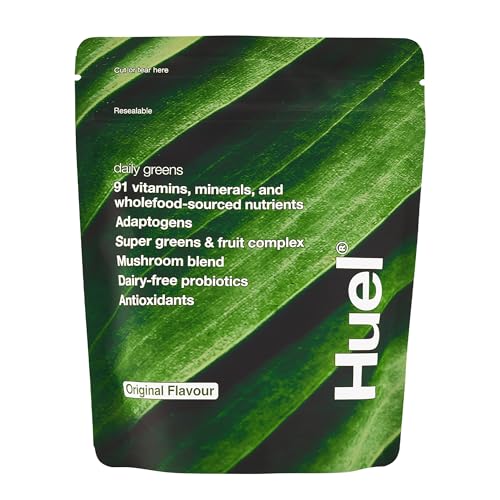
Our Huel Daily Greens review covers the 91-ingredient formula, probiotic doses, vitamin levels, taste and price per serving, plus what greens powders can't do.
Huel vs yfood compared bottle for bottle: calories, protein, sugar, fibre, vitamins, vegan status and UK price per bottle, with a clear verdict on which to buy.
Is Huel healthy? Our verdict: fine for one or two meals a day for most healthy adults, not as a long-term total diet. Nutrients, the ultra-processed debate, sweeteners, gas, salt and who should be careful.
Best Exercise is a participant in the Amazon EU Associates Programme, an affiliate advertising programme designed to provide a means for sites to earn advertising fees by advertising and linking to Amazon.co.uk. As an Amazon Associate we earn from qualifying purchases. This comes at no extra cost to you and never influences our independent reviews or rankings.