Nutrition
Huel Alternative: Cheaper, Higher Protein and Less Processed Options
Looking for a Huel alternative? We match the best options to your reason for leaving, from cheaper and lower calorie shakes to milk-based drinks and a DIY recipe.

By Declan Hallwood, Nutrition & Supplements Editor · Updated 17 November 2026
Yes, yfood is reasonably healthy as an occasional meal, and better than skipping lunch or grabbing a sandwich, crisps and a fizzy drink. It isn't a health food, though. Each 500ml bottle is a sweetened, ultra-processed milk drink with 500 kcal, 30g of protein, 23g of sugar and a full set of added vitamins, so it works best as one convenient meal a day at most, with real food doing the rest of the job.
That's our position. Here's what it rests on, starting with yfood's own label.
We took the figures straight from yfood's UK product page for the Smooth Vanilla ready-to-drink meal, which is typical of the classic range. Other milk-based flavours land within a gram or two on most lines.
| Energy | 500 kcal per 500ml (100 kcal per 100ml) |
|---|---|
| Protein | 30g (6.0g per 100ml) |
| Fat | 24g, of which saturates 5.2g |
| Carbohydrate | 36g, of which sugars 23g |
| Fibre | 8.4g |
| Salt | 0.83g |
| Vitamins and minerals | 26 added (12 vitamins, 14 minerals) |
| Sweetener | Sucralose |
| Allergens | Milk, oats |
| Lactose | Labelled lactose-free (lactase added) |
The ingredient list opens with semi-skimmed milk, water and milk protein, followed by rapeseed and sunflower oil, coconut milk powder, oat fibre, soluble corn fibre and rice powder (which contains rice syrup). Further down you'll find maltodextrin, sucralose, flavourings, gellan gum, a seaweed-based stabiliser, lecithin and the lactase enzyme.
One thing to be aware of: the Amazon listing for the pick-any-8 bundle advertises 34g of protein per bottle, while yfood's own nutrition panel for Smooth Vanilla shows 30g. Recipes change and flavours vary slightly, so trust the label on the bottle in your hand.
Thirty grams of protein in one drink is genuinely useful. Most people's lunch is the protein-light meal of the day, and a bottle of yfood fixes that without any cooking. For anyone training regularly, it slots in comfortably after a lunchtime gym session.
The fibre is better than you'd expect from a shake. At 8.4g per bottle it beats a lot of supermarket sandwiches, thanks to the oat and corn fibre. Salt is low at under a gram, and saturated fat at 5.2g is moderate for a 500 kcal meal.
You also get 26 added vitamins and minerals. That's handy on a chaotic day, but don't read too much into it: fortification makes a drink look complete on paper, and it doesn't replace the mix of plant compounds and fibre types you'd get from vegetables, fruit, pulses and whole grains.
The figure that worries people is 23g of sugar per bottle. The NHS says adults should have no more than 30g of free sugars a day, so at first glance one yfood looks like most of your daily allowance.
It isn't quite that simple. The same NHS page explains that sugar found naturally in milk doesn't count as free sugar, even though it shows up in the "total sugars" line on a label. yfood is made mostly from milk, and the added lactase splits the milk's lactose into glucose and galactose, which taste sweeter but are still milk sugars.
So a good chunk of that 23g isn't the type the NHS wants you to cut. Some of it probably is, though, because rice syrup and maltodextrin are both in the recipe. yfood doesn't publish the split, so we can't give you an exact free-sugar number, and we'd be wary of anyone who claims to. Our honest read: it's lower in free sugar than the headline 23g suggests, and far lower than a regular fizzy drink, but it isn't a low-sugar food in the way a chicken salad is.
Quick label tip
Compare the "of which sugars" line against the ingredients list. If milk or fruit sits near the top and there's no sugar, syrup or honey high up, a fair amount of that sugar is the kind the NHS doesn't count towards your 30g limit.
Yes, and there's no point pretending otherwise. The NHS describes ultra-processed foods as ones that often include ingredients you wouldn't usually have at home, such as sweeteners and emulsifiers. yfood has sucralose, lecithin, gellan gum, maltodextrin and flavourings, so it ticks that box clearly.
The NHS is careful on this point, and so are we. Its guidance says it isn't known whether ultra-processed foods are unhealthy because of the processing itself or because many are high in calories, saturated fat, salt or sugar. yfood is moderate on saturated fat and low on salt, which puts it in a better spot than crisps, pastries or a packet of biscuits. The NHS also notes that some ultra-processed foods, like wholemeal bread and baked beans, can fit a healthy diet.
Where that leaves us: one bottle as a convenient lunch is a reasonable trade. Building most of your week around it isn't.
yfood uses sucralose to sweeten the drink. If you avoid artificial sweeteners on principle, that's a dealbreaker, and you'll need to check labels carefully on rival bottles too, because plenty of ready-to-drink meal shakes use one. If sweeteners don't bother you, it's simply one more line on the ingredients list.
The lactose-free label is accurate but easy to misread. Lactase breaks down the lactose, so many people who struggle with regular milk will cope fine. The drink is still made from milk and milk protein, and yfood lists milk as an allergen, so it's off the table for anyone with a cow's milk allergy, and for vegans. yfood does sell separate vegan bottles, and we compare the two brands properly in our Huel vs yfood breakdown.
Amazon's pick-any-8 bundle of 500ml bottles is around £31.98 at the time of writing, which works out at roughly £4 a bottle.
Check yfood pick any 8 x 500ml on Amazon£31.98On yfood's own site the Smooth Vanilla six-pack was listed at £20.94 (about £3.49 a bottle) when we checked, with a sale price bringing that under £3, plus a subscription discount. That's cheaper than most meal deals and much dearer than making your own lunch from scratch. If price per meal is your main worry, powdered meal replacements are cheaper still; our Huel powder vs ready-to-drink comparison runs the numbers.
If you're drinking it on top of your normal meals, it's 500 extra calories. That's the most common way meal shakes backfire.
It's also a poor choice as your default for two or three meals a day. You'd be leaning hard on one ultra-processed product and losing the variety of whole foods, and at around £3 to £4 a bottle, it gets expensive quickly. And it's out entirely if you have a milk allergy or follow a vegan diet, unless you switch to yfood's plant-based range.
People managing diabetes, kidney problems or any condition with dietary rules should run it past their GP or dietitian first, as 36g of carbohydrate and the added minerals may matter for them.
yfood is a decent convenience meal with a strong protein figure, solid fibre and low salt, held back by being sweetened, milk-based and clearly ultra-processed. Use it to replace a skipped or rubbish lunch and it's a step up. Use it to replace cooking altogether and it's a step down.
If you're weighing it up against the obvious rival, read is Huel good for you for the same treatment on Huel, or browse more in our nutrition hub.
One bottle a day is fine for most healthy adults if the rest of your diet is built around normal food. It gives you 500 kcal, 30g protein and roughly 8g to 9g of fibre, which is a decent meal on paper. Two or three a day is a different story: you'd be swapping a big share of your diet for an ultra-processed drink and missing the variety you get from whole foods.
yfood's own label for Smooth Vanilla lists 23g of sugars per 500ml bottle (4.6g per 100ml), and other flavours sit in a similar range. Much of that comes from the milk, which the NHS doesn't count as free sugar, but the recipe also includes rice syrup and maltodextrin. The added sweetness comes from sucralose, and there's no table sugar in the ingredients.
Yes. The ingredient list includes maltodextrin, sucralose, flavourings, stabilisers and an emulsifier, which is exactly the kind of list the NHS describes as ultra-processed. That doesn't make it junk food, but it does mean it shouldn't replace most of your meals.
yfood labels its drinks as lactose-free because lactase enzyme is added to break the lactose down. They're still made from semi-skimmed milk and milk protein, so they are not suitable if you have a milk allergy or follow a vegan diet. yfood sells separate plant-based versions for that.
It can help if it replaces a bigger, less filling lunch, because 500 kcal with 30g of protein is easy to track and reasonably satisfying. It won't help if you drink it on top of your normal meals. Meal replacement studies show the best results when the shakes are part of a structured plan with a calorie target.
Neither is clearly healthier. Huel's ready-to-drink bottles are plant-based and suit vegans, while yfood is milk-based, a bit higher in protein per bottle and tends to taste more like a milkshake. Pick on diet, taste and price per bottle rather than on health claims.
Looking for a Huel alternative? We match the best options to your reason for leaving, from cheaper and lower calorie shakes to milk-based drinks and a DIY recipe.
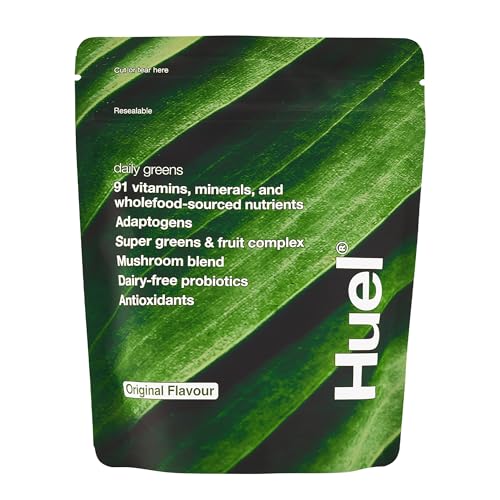
Our Huel Daily Greens review covers the 91-ingredient formula, probiotic doses, vitamin levels, taste and price per serving, plus what greens powders can't do.
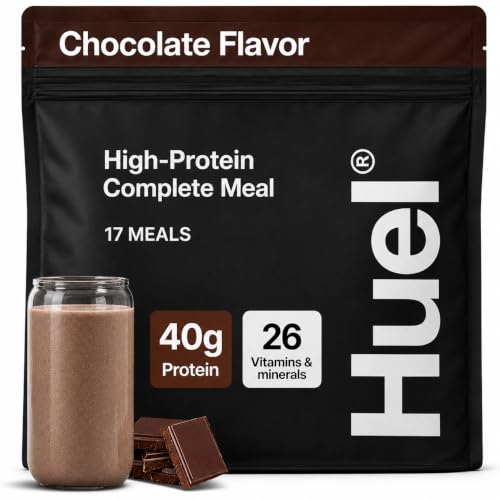
Our Huel review of the Black Edition powder: 40g protein, 9.7g fibre and 400kcal per meal for about £1.99, plus Ready-to-drink, taste reports, cost and who it suits.
Huel vs yfood compared bottle for bottle: calories, protein, sugar, fibre, vitamins, vegan status and UK price per bottle, with a clear verdict on which to buy.
Best Exercise is a participant in the Amazon EU Associates Programme, an affiliate advertising programme designed to provide a means for sites to earn advertising fees by advertising and linking to Amazon.co.uk. As an Amazon Associate we earn from qualifying purchases. This comes at no extra cost to you and never influences our independent reviews or rankings.