Nutrition
Are BCAAs Worth It? What the Evidence Says in 2026
Are BCAAs worth it? For most people eating enough protein, no. Here's what the research shows, the few cases where they help, and what to buy instead.

By Paul Kendrick, Cardio & Endurance Editor · Updated 10 November 2026
We may earn a commission from qualifying purchases made through links on this page, at no extra cost to you. This never affects our ratings.
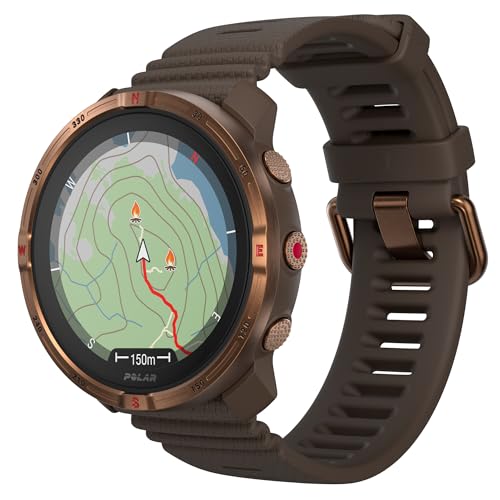
The Polar Grit X2 is the cheaper, smaller sibling of the Grit X2 Pro, released in June 2025 and selling for around £296.99 on Amazon UK at the time of writing (10 November 2026). That's roughly £180 below the Pro. The surprise is how little you lose for the money: it keeps sapphire glass, a stainless steel bezel, dual-frequency GPS, offline colour maps and every one of Polar's training and recovery features.
Our view is that it's the better buy for most people. The Pro wins on battery and water rating, but the Grit X2 is 17 grams lighter, a lot easier to sleep in, and covers everything a hiker or trail runner does in a normal week.
How we review
This review is research-based. We've worked from Polar's published specifications, the Amazon UK listing and recurring patterns in owner feedback, and compared them against our existing coverage of the Grit X2 Pro. We haven't run a long-term field test of this exact watch, so we haven't reported battery or accuracy figures beyond what Polar publishes.
Hikers, fell and trail runners, and anyone who wants a proper outdoor watch with maps without strapping a 79g lump to their wrist. It suits slimmer wrists far better than most rugged watches, and it's a sensible upgrade for Polar users coming from a Pacer Pro or an older Grit X.
It's the wrong pick if you do multi-day routes without a charger, or if you want the deepest app store and payment options on the market. For those, look at the Grit X2 Pro or a Garmin.
Check the Polar Grit X2 price on Amazon UKThis is the decision most buyers are really making, so here's the side by side from Polar's own Grit X2 product page and our Pro review.
| Case size | 44.7 x 44.7 x 12.5 mm (Pro: 48.6 x 48.6 x 13.4 mm) |
|---|---|
| Display | 1.28 in AMOLED, 416 x 416 (Pro: 1.39 in, 454 x 454) |
| Weight | 62 g, 39 g without strap (Pro: 79 g, 57 g) |
| Performance training battery | 30 hours (Pro: 43 hours) |
| Eco training battery | 90 hours (Pro: 140 hours) |
| Smartwatch mode | Up to 7 days (Pro: 10 days) |
| Water rating | WR50 (Pro: WR100) |
| Case material | Reinforced polymer, stainless steel bezel |
| Lens | Sapphire glass (both) |
| Durability | MIL-STD-810H (both) |
| Map storage | 32 GB |
| Operating range | Minus 20 to 50 degrees C |
The battery gap is the one that should drive your choice. Thirty hours of full GPS is enough for a long weekend in the Lakes or a mountain ultra, and the 90 hour eco mode stretches further if you accept less frequent fixes. If you regularly go three or four days between plug sockets, the Pro's 43 hours is worth paying for.
The water rating matters less than it looks. WR50 handles swimming in a pool or a lake without issue; WR100 only earns its keep if you're snorkelling, diving or spending hours in surf.
Everything else is a matter of wrist size. The Pro's bigger screen shows more map, but the Grit X2's 416 by 416 AMOLED is still sharp and bright. Owners with smaller wrists tend to prefer it outright.
Offline colour maps are the reason to buy a Grit rather than a Polar Vantage M3 or Pacer Pro. You save regional maps to the 32GB storage, and the watch then gives turn-by-turn guidance, rerouting and track following with no phone and no signal. Komoot routes sync across, and Polar bundles a 60 day Komoot Premium trial.
Dual-frequency GPS should help most in the places outdoor users actually go: steep valleys, forest and towns with tall buildings. Polar's barometer, compass and gyroscope cover altitude and heading.
The limitation is the same one we flagged on the Pro. Route building is better done on your phone in Komoot than on the watch, and panning around the map is slower than on a Garmin. For following a planned route it does the job well.
Polar's software is identical across the two Grits, so you lose nothing here by saving £180. Training Load Pro splits strain into cardio, muscle and perceived load. Nightly Recharge combines sleep data with overnight heart rate variability to tell you how recovered you are. Wrist-based Running Power, Hill Splitter and FuelWise round out the trail kit, and sessions sync to Strava and TrainingPeaks.
The sensor package is generous for the price: Polar's Elixir platform with fourth-generation optical heart rate, plus wrist ECG, SpO2 and skin temperature. Treat the optical heart rate with the usual caution. A study comparing wrist-worn optical devices with chest straps against an ECG reference found the chest strap agreed more closely across activities (wrist optical versus chest strap comparison), so pair a strap from our heart rate monitor guide for intervals.
The lighter case has a knock-on benefit here. Recovery scores depend on overnight data, and a 62g watch is far easier to wear in bed every night than a 79g one, so you're more likely to actually collect it.
See today's Polar Grit X2 priceAt around £297, the Grit X2 sits well under most map-equipped outdoor watches with sapphire glass. Against its own sibling, it's the better value: the Pro is around £480 on Amazon, and the extra money mostly buys battery and a metal case.
The caveats are Polar's, not this watch's. The Flow app and its integrations are thinner than Garmin's, there's no app store to speak of, and resale values are lower. If you want those things, our best Garmin watch UK guide is the place to start.
A watch only helps if the training behind it is consistent. The NHS baseline of 150 minutes of moderate activity a week plus two strength sessions is a sensible floor to build from (UK physical activity guidelines).
For most outdoor users, yes. At around £297 it gives you offline colour maps, dual-frequency GPS, sapphire glass, wrist ECG and Polar's training and recovery tools. The main reasons to look elsewhere are the smaller app ecosystem compared with Garmin and a 30 hour GPS battery that is fine for weekends but short for multi-day expeditions.
The Grit X2 is smaller (44.7mm against 48.6mm) and lighter (62g against 79g) with a 1.28 inch screen instead of 1.39 inches. Battery drops from 43 to 30 hours in performance training mode, the case is reinforced polymer rather than metal, and water resistance is WR50 rather than WR100. Sapphire glass, MIL-STD-810H testing, the sensors and the training software are shared.
Polar quotes 30 hours in performance training mode, 90 hours in eco training mode and up to 7 days as a smartwatch. With daily wear and a few hours of GPS training each week, expect to charge it roughly once a week.
Yes. It stores offline, full-colour, zoomable maps on 32GB of storage, with turn-by-turn navigation, rerouting and Komoot route support. You don't need your phone or a signal once the maps are on the watch.
Yes, it is rated WR50, which covers pool and open water swimming. It is a lower rating than the Pro's WR100, so if you dive, snorkel hard or spend a lot of time in rough water, the Pro is the safer choice.
It is one of the better rugged outdoor watches for slimmer wrists. At 44.7mm across and 39g without the strap it sits far more comfortably overnight than the 79g Pro, which matters if you want accurate sleep and Nightly Recharge data.
Are BCAAs worth it? For most people eating enough protein, no. Here's what the research shows, the few cases where they help, and what to buy instead.
A bro split trains one muscle group per day, five days a week. Get the classic template with sets and reps, the research on frequency, and who it suits.
The best chin up alternatives, sorted by your problem: can't do one yet, no bar at home, or elbow and shoulder pain. Keeps the underhand biceps bias.
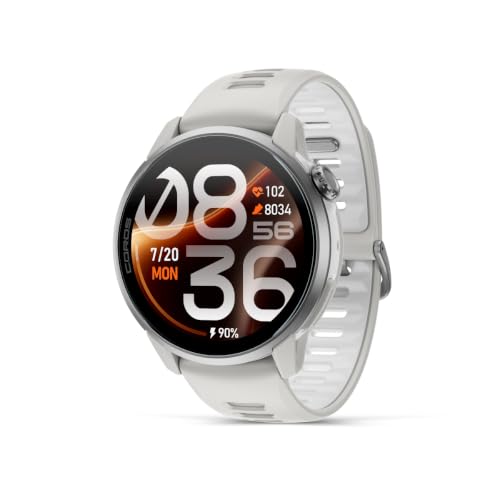
A COROS PACE 4 Pro review covering the 1.47in 3,500 nit AMOLED, titanium build, 60 hour GPS battery, maps and speaker, and how it compares with the PACE 4.
Best Exercise is a participant in the Amazon EU Associates Programme, an affiliate advertising programme designed to provide a means for sites to earn advertising fees by advertising and linking to Amazon.co.uk. As an Amazon Associate we earn from qualifying purchases. This comes at no extra cost to you and never influences our independent reviews or rankings.