Home Gym
Body-Solid PPR1000 Review: A Plain Power Cage With a Big Name
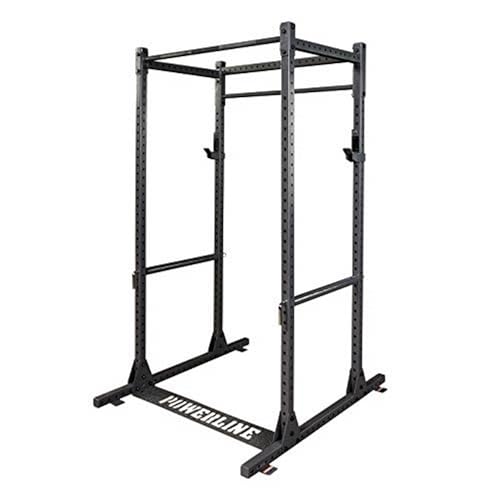
Body-Solid PPR1000 review: 2in 14-gauge steel, 700lb capacity, 211cm height, pipe-and-pin safeties, the add-on system and how it compares at around £419.

By Jack Atkins, Home Gym Equipment Specialist · Updated 24 November 2026
A belt squat machine lets you squat heavy with the weight hanging from a belt around your hips instead of a bar on your back, and for a home gym it comes in four forms: a rack-mounted lever arm, a standalone plate-loaded machine, a cable or pulley setup, or the DIY version with a dip belt and two boxes. UK prices run from under £50 for the DIY route to roughly £700 for a dedicated machine. Most home lifters are better served by the cheaper end, and the reasons why are below.
This page is about the equipment. For the movement itself (stance, depth, cues and mistakes), read our belt squat exercise guide.
The case for the machine rests on one thing: it moves the load off your spine. A 2020 EMG study found that belt squats cut lumbar erector activity by roughly half compared with a back squat at the same load, while quad activity barely changed (Journal of Human Kinetics, 2020). A separate kinetic study of isometric squats in 26 lifters found belt squats produced higher peak forces and greater knee and ankle moments, but lower low-back moments (Layer et al., 2018).
Both studies are small and short-term, so nobody's measured whether belt squats build more muscle over months. What they do show is the direction: similar leg loading, much less spinal loading. If your back gives out before your legs do, that's the whole sales pitch.
A pivoting arm bolts onto one upright of your power rack. You clip the belt to the end of the arm, load plates on a sleeve, and squat on the floor or a small platform in front of the rack. It's the most popular home option because it borrows the rack you already own.
The downside is fit. These arms are made for particular tube sizes and hole patterns, so a cheap one that suits your rack is a bargain and one that doesn't is scrap metal. Range of motion also depends on your rack height and the arm's pivot point.
This is the dedicated machine you'd find in a decent commercial gym, shrunk to home size. You get a wide foot platform, a loading pin, a belt on a chain or strap, and usually handles for balance and a start lever so you can step in without lifting the weight off the floor. They're the most comfortable to use and the easiest to load heavy.
They're also the biggest commitment in money and floor space, and they do one job. Some models add a lever arm for rows or presses, though that's a bonus rather than a reason to buy.
Some functional trainers and cable towers let you run a low pulley to a belt so you squat against the weight stack. It works, but most home stacks top out well below what your legs can handle in a belt squat, which is often more than your back squat. Treat it as a high-rep option rather than a strength tool.
Stand on two sturdy boxes or plyo platforms about 30 to 40cm high, hang plates from a dip belt between them, and squat. It costs the price of a belt if you've got boxes already, and it trains the same movement. The catch is loading: once you're past four or five plates the chain gets unwieldy, and picking the stack up to start each set is awkward.
If you're testing whether belt squats suit you before spending hundreds, this is where to start.
Check dip belt price on AmazonThese are the prices UK retailers listed when we checked in November 2026. They move with sales, so treat them as rough bands.
| Type | Roughly | Examples |
|---|---|---|
| DIY dip belt and boxes | £12 to £30 for the belt | Budget to mid-range dip belts on Amazon |
| Rack-mounted arm | £75 to £230 | Mirafit M3/M4 Belt Squat Arm (£74.95), BodyMax rack attachment (£229, ex-display at Fitshop) |
| Dedicated home machine | Around £700 | Strength Shop Original Belt Squat Machine (£699.99), Primal Pro Series (£699.99), Taurus Pro ISO (£699 on sale, £999 RRP at Fitshop) |
| Commercial machine | Price on request | Watson, Hammer Strength |
A specialist belt is often sold separately. Mirafit's starts from £39.95 and REP Fitness UK lists one at £84.99, so check whether the machine you're looking at includes one.
Footprint and ceiling height. A standalone machine needs floor space for the frame plus room to step on and off the platform, and you need clearance to stand tall on that platform. Measure your space and compare it against the published dimensions; if a retailer doesn't list them, ask before you buy.
Lever arm or direct load. Lever designs give a smoother strength curve and often more effective resistance per plate, which matters if you don't own many plates. Direct-load designs (dip belts, chains straight down) are simpler and the load you hang is the load you lift.
Loading pin length and position. A short pin caps how heavy you can go, and belt squats tend to want more weight than lifters expect. A pin you can load from a standing position saves your back the hassle of bending under a loaded lever between sets.
Platform size and grip. You want enough width for a squat stance a little outside shoulder width plus some room to turn your toes out. A grippy surface matters more than people think, because sweaty trainers on smooth steel make heavy sets feel sketchy.
A start mechanism. Good machines let you take the load off a catch or kickstand at the top, rather than squatting down to pick it up. This one feature separates a pleasant machine from a frustrating one.
Belt and connection. Check the belt width, padding and whether it uses a chain, strap or carabiner. A narrow belt digs into your hips at heavy loads.
Rack compatibility (for attachments). Tube size, hole diameter and hole spacing all need to match. Several attachments only fit the maker's own racks.
Plenty of people don't need a belt squat machine. Here's how it stacks up against the other ways to load your legs without a bar on your back.
Leg press. A plate loaded leg press also keeps the spine out of it, and lets you load very heavy. It's a bigger and usually pricier machine, and you're seated rather than standing, so it trains less balance and less of the full squat pattern. If you want one machine for heavy quad work and don't care about standing, the leg press is the safer bet.
Hack squat. Hack squats load your shoulders through pads, so some spinal compression is back. They're brilliant quad builders but cost more and take more room than a belt squat arm. Our hack squat alternatives guide covers cheaper ways to get similar work, belt squats included.
Landmine. A landmine attachment with a strap to your belt gives you an arcing belt squat for very little money if your rack already takes one. The resistance curve is easier at the bottom, and the load isn't as heavy as a dedicated machine allows.
Our honest position: buy a rack-mounted arm if your rack accepts one and your back needs a break from barbell squats. Buy a standalone machine only if you train legs hard, have the space, and already own the basics. Everyone else should start with the dip belt and boxes for a month and see.
Set the belt low across your hips, clip it to the chain or arm, and step onto the platform with your feet slightly wider than shoulder width. Release the start catch, stand tall with a light grip on the handles for balance, then sit straight down between your feet to parallel or below and drive back up. Don't pull on the handles. The full technique, with cues and common mistakes, is in our belt squat guide.
For programming, start around 40% of your back squat and add load quickly; most people underload the machine for weeks. Three or four sets of 8 to 15 suits most goals.
Rack-mounted belt squat arms start at roughly £75 (Mirafit lists its M3/M4 arm at £74.95) and climb to around £230 for a universal attachment. Standalone plate-loaded machines from Strength Shop and Primal sit at roughly £700. Commercial machines from brands like Watson and Hammer Strength are sold on quote. The cheapest route of all is a dip belt and two boxes for under £50.
It's worth it if your lower back limits your leg training, or if you've already got a rack, plates and a bench and want a second heavy leg movement. If you're still buying basics, spend the money on a rack and barbell first; a dip belt on two boxes covers the belt squat for a fraction of the cost until you know you'll use it.
Clip the belt low around your hips, over the hip crease, attach it to the chain or strap, then stand on the platform with feet a little wider than shoulder width. Release the start position, keep your torso upright and squat to parallel or just below. Our belt squat exercise guide covers the full technique and the common mistakes.
A lever arm machine hangs the belt from a pivoting arm, so the resistance changes a little through the rep and you often get more effective load per plate. A direct-load setup, like a dip belt or a cable-and-pulley machine, pulls straight down, so the plates you hang are the load you lift. Lever machines feel smoother; direct-load setups are simpler and cheaper.
No. Attachments are built for specific upright sizes and hole spacing, commonly 60x60mm or 70x70mm tubing, and some only fit the maker's own racks. Mirafit's arm, for example, is listed for its M3 and M4 cages. Check your rack's tube size, hole diameter and spacing before you order.
Body-Solid PPR1000 review: 2in 14-gauge steel, 700lb capacity, 211cm height, pipe-and-pin safeties, the add-on system and how it compares at around £419.
What height bench for hip thrusts, how dedicated hip thrust benches compare with a flat bench, plyo box or sofa, the features worth paying for and UK prices.
Spotter arms explained: how they differ from pin and strap safeties, how to check tube size, hole diameter and spacing, the right height for squat and bench, and UK prices.
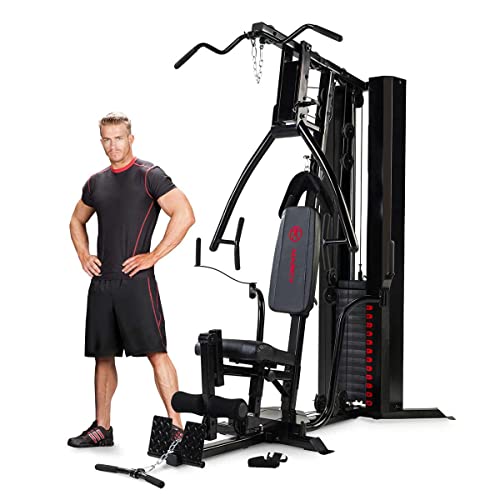
Our Marcy HG5000 review: the 90kg stack versus the 106kg claim, independent chest press and pec dec, 211cm height, 135kg user limit and £699 price.
Best Exercise is a participant in the Amazon EU Associates Programme, an affiliate advertising programme designed to provide a means for sites to earn advertising fees by advertising and linking to Amazon.co.uk. As an Amazon Associate we earn from qualifying purchases. This comes at no extra cost to you and never influences our independent reviews or rankings.