Workouts
Bayesian Curl: How to Do the Bayesian Cable Curl Properly
How to do the Bayesian curl: setup, form cues, what the research says about the stretched position, common mistakes, home band version and a simple plan.

By Paul Kendrick, Cardio & Endurance Editor · Updated 26 June 2026
We may earn a commission from qualifying purchases made through links on this page, at no extra cost to you. This never affects our ratings.
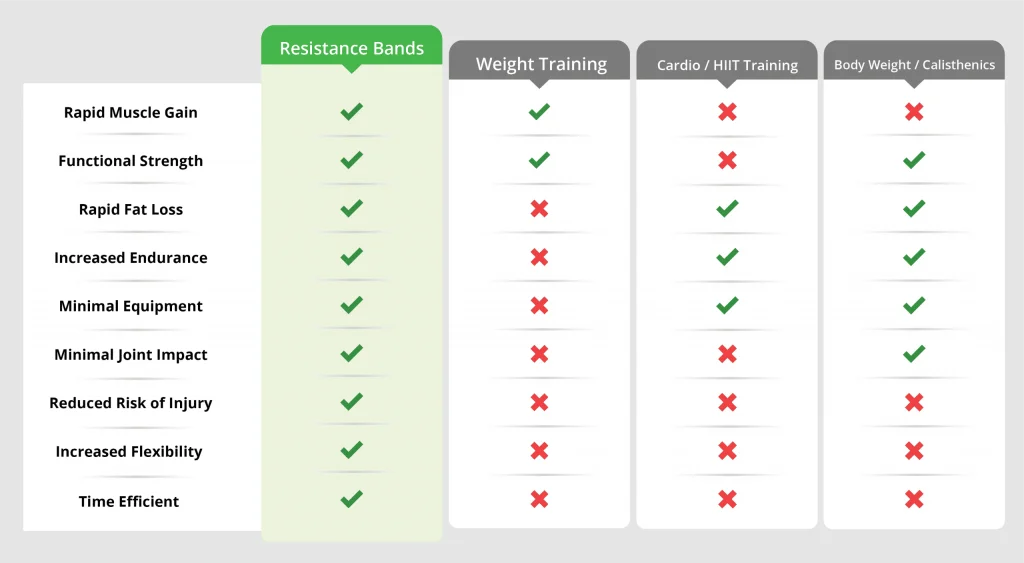
Basement Beast is a 12-week resistance-band workout program built around quick 20-minute daily sessions, and after buying it and sticking with the full plan, here are my genuine thoughts. For transparency: I wasn't gifted anything or paid by anyone to write this. These are my honest experiences after purchasing the Basement Beast workout and seeing the 12 weeks through.
Basement Beast is a 12-week workout program designed by Fabian Petrina, a successful fitness instructor from Germany.
You've probably seen or heard of similar online fitness programs that "guarantee" results in a short space of time. Most of them require at least a set of dumbbells and 60 minutes a day to work through the prescribed sets and reps.
Basement Beast is a variation on those programs, but it doesn't require dumbbells or any large pieces of equipment, and it doesn't ask for 60 minutes a day either. It's been designed for people with busy schedules who still want to get in shape, built around intense 20-minute daily workouts using nothing but a set of resistance bands.
Basement Beast has been getting a lot of attention lately, with dozens of five-star reviews pouring in from all over the world. Once I heard about it, I thought I'd give it a go.
After signing up, I received two emails:
Logging in is simple enough, and the site is well designed and easy to navigate. Everything is laid out clearly, and the workout videos are of excellent quality.
The program consists of 20-minute workouts, four days a week, with a fifth day of yoga (I probably did about half of the yoga sessions).
Before starting, you'll need to buy some resistance bands. You have two options:
I'd recommend the latter. You can end up with some pretty shoddy resistance bands from places like Amazon, whereas the Basement Beast bands are higher quality.
You may be wondering, why resistance bands? Surely a set of dumbbells would give better results?
I wondered the same. While the website lists a decent set of reasons why bands are preferred over dumbbells or a barbell, the one that stood out to me was affordability and ease of use.

I already own dumbbells, but I can understand why Fabian and his team went the band route. With minimal equipment, the program is far more marketable and likely results in more sign-ups than if members had to buy bulky items like dumbbells.
Bands do have a genuine benefit, though: they offer a better resistance arc than other equipment, keeping tension on the muscle throughout the movement instead of dropping off at the top or bottom, which is exactly what happens with dumbbells.
For weight loss, resistance bands are a great option. If you're serious about building genuine muscle, though, I'd personally look at swapping the bands for dumbbells.
The home workout program mostly targets a single muscle group each day. Week one, for instance, consists of a Leg Day, a Chest Day, a Back Day and an Abs Day, with the optional fifth day of yoga if you're so inclined.
I'm not going to write up the entire program here, as that would be unfair (and against copyright), but a simplified example of a workout day looks like this:
Workout 1: Legs
This is similar to one of the earlier workouts in the program, and they get progressively harder as the weeks go on.
Density what, I hear you ask? I'd never heard the phrase either, until Basement Beast.
The website doesn't give much away. It describes density stacking as a method where you "adjust rest periods and intensity levels to trigger the body to burn fat and build muscle," then claims it "hacks your biology at a cellular level, which makes gaining muscle and burning fat easier than ever."
To me, this reads as hokum.
There's no denying that stimulating your muscles with high-resistance anaerobic exercise will cause you to gain muscle, so I'm not entirely sure what's different between that and "density stacking."
A quick Google search for density stacking doesn't bring up much, other than results for density training, a workout method built around getting as much work done as possible in a session (AMRAP style).
Who knows, maybe Fabian is onto something. For me, though, there's no single trick to "hacking" your biology. It comes down to being consistent, working hard each session, progressively overloading, eating well and resting.
Take the marketing claims with a pinch of salt
Phrases like "hacking your biology at a cellular level" are marketing, not science. The program can still deliver real results, just for ordinary reasons: consistency, effort, decent nutrition and recovery.
The 12-week transformation plan currently costs anywhere between $67 and $139, depending on the offers available at the time.
There's also a money-back guarantee. I'm not exactly sure how it works in practice, as I never needed to use it, but from what I've read you have to prove you stuck to the program and gave it a real go before they'll issue a refund.
No. That's not to say it's bad. It's just not the best fitness program out there.
Will you get ripped and build 20lbs of muscle in 12 weeks? Definitely not. But if you stick with it, and follow the nutritional guidance, you will lose weight and feel stronger.
If you're after something more focused on building muscle, look for a program that uses dumbbells or barbells and centres on compound movements such as the squat, row, bench press, deadlift and overhead press.
For beginners or anyone easing back into fitness, yes. The 20-minute resistance-band workouts are accessible and effective for losing weight and feeling stronger. If you're already past beginner level or chasing serious muscle, you'll get more from a program built around dumbbells and compound lifts.
Only resistance bands. There are no dumbbells or bulky machines required, which is the whole appeal. You can source bands yourself or buy them directly from Basement Beast, and we'd recommend the latter as cheap bands tend to be poor quality.
Just 20 minutes a day, four days a week, with an optional fifth day of yoga. The program is built specifically for people with busy schedules who still want to get in shape.
The 12-week transformation plan typically costs between $67 and $139 depending on the offers running at the time. There's also a money-back guarantee, though you'll need to prove you genuinely followed the program to claim a refund.
How to do the Bayesian curl: setup, form cues, what the research says about the stretched position, common mistakes, home band version and a simple plan.
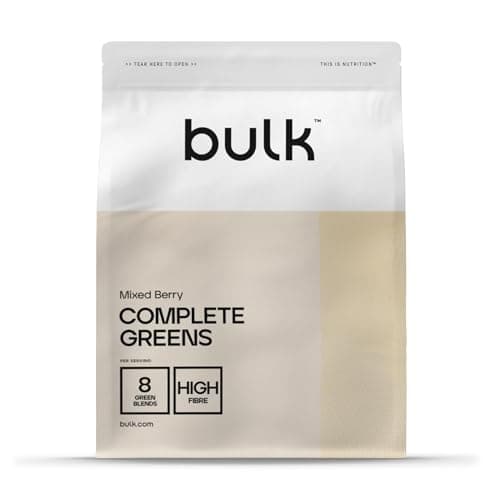
The best greens powders in the UK for 2026, from budget super greens to premium all-in-one vegetable powders, plus an honest look at whether they actually work.
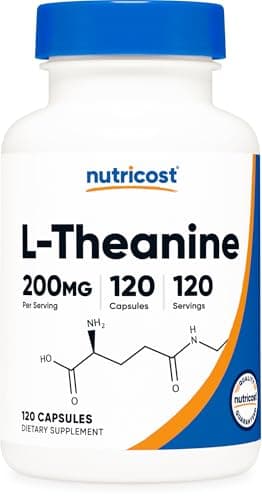
The best L-theanine supplement for UK buyers in 2026: five capsules ranked on dose and cost per day, what the research shows about sleep and caffeine, and the dose worth taking.
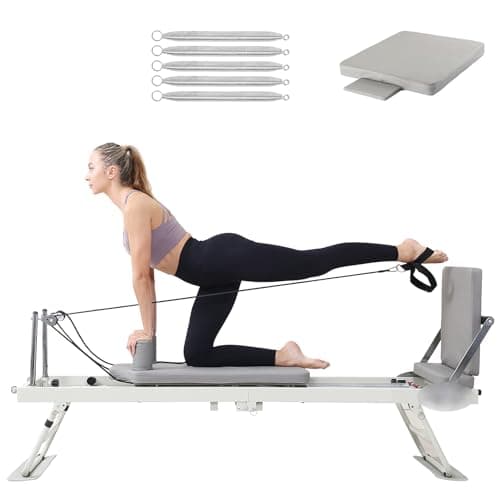
The best reformer pilates machines for home use in the UK in 2026, from a £259 foldable to a £788 wooden frame. Honest picks, real specs and how to choose a pilates machine.
Best Exercise is a participant in the Amazon EU Associates Programme, an affiliate advertising programme designed to provide a means for sites to earn advertising fees by advertising and linking to Amazon.co.uk. As an Amazon Associate we earn from qualifying purchases. This comes at no extra cost to you and never influences our independent reviews or rankings.